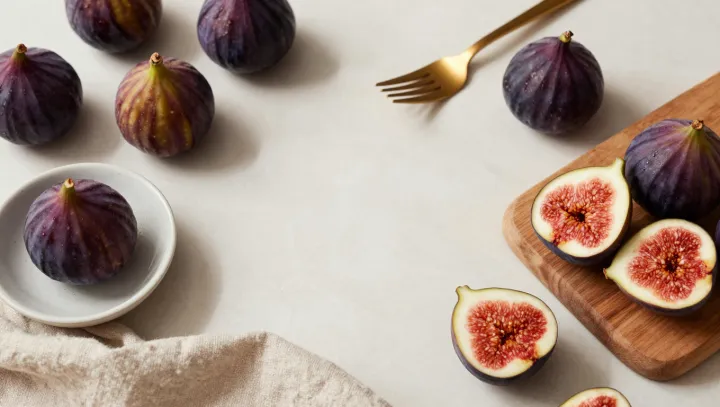
A ripe fig looks like trouble for your waistline; in reality, it undercuts many diet snacks on fat loss. Bite for bite, a fresh fig delivers sugar, yes, but wrapped inside a low energy density package where water and soluble fiber dominate the math of weight control.
The counterintuitive point is simple. Volume wins. Fresh figs are more than half water, so gastric distension kicks in fast, stretching the stomach and triggering mechanoreceptors that feed into appetite‑regulating hormones like cholecystokinin and GLP‑1. You feel full on fewer calories, while a neatly portioned diet bar, dense and dry, can pack double or triple the energy into the same mouthful, barely moving the fullness needle.
Even the sugar profile works differently than snack aisle sweetness. The fig’s fructose and glucose arrive bundled with viscous dietary fiber, which slows gastric emptying and blunts postprandial blood glucose. That delay stabilizes insulin response and reduces rebound hunger, a key driver of excess adipose tissue. Many diet products chase sweetness with low‑calorie sweeteners yet offer minimal fiber, so they satisfy taste receptors but not stretch or metabolic signaling, keeping the brain primed to keep eating.
The harsher judgment falls on the marketing, not the fruit. A fresh fig occupies more plate space, more chewing time, and more gut signaling per calorie than most engineered diet snacks. In weight management, that quiet geometry of fiber, water, and volume is often what decides which food actually helps fat loss, no matter what the label claims.