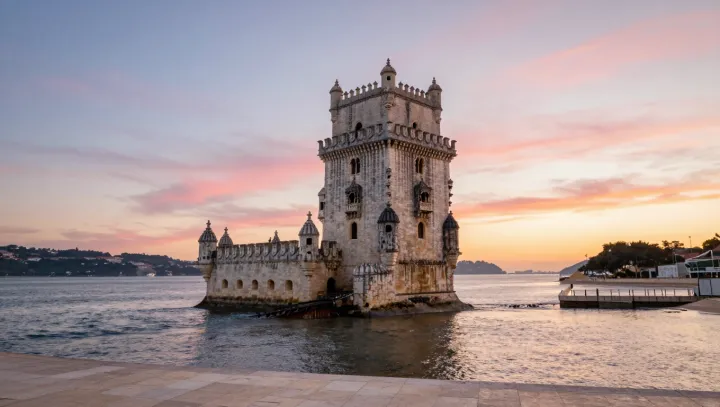
Stone, not strategy, now dictates this waterfront. The small riverside fort that once calculated firing arcs for cannons has instead fixed the angles of boardwalks, bike paths, and hotel sightlines. Where artillery officers once studied ballistic range and line of fire, planners later read the same geometry as a ready‑made masterplan: a wedge of open ground, a clear visual corridor to the water, and a defensible edge that zoning codes quietly preserved.
The odd twist is that military redundancy became a design asset. When shipping channels moved and heavy guns lost relevance, the fort’s thick casemates and glacis were too expensive to demolish and too solid to ignore, so heritage statutes and conservation easements locked it in place. Tourism authorities then monetized that immobility, using the fort as a branding anchor around which cruise terminals, museums, and mixed‑use piers could cluster, extracting value from its silhouette rather than its firepower.
More surprising still, a psychology of threat hardened into a culture of leisure. The same elevated bastions built for enfilade now host sunset bars; former powder magazines frame galleries; interpretive signage turns artillery jargon into soft power. The city’s waterfront image, marketed through logos, wayfinding, and real‑estate brochures, borrows the fort’s outline so thoroughly that the old gun platform now functions less as a ruin than as the logo stamped on the river’s edge.