Streetlight glare, not sensor specs, decides whether a night scene feels flat or magnetic. Gear only records; composition directs. When you build frames around leading lines, you are not decorating the image, you are controlling eye movement with the same rigor a UX designer uses in a heatmap study, forcing attention from foreground curb to distant skyline in a single controlled path.
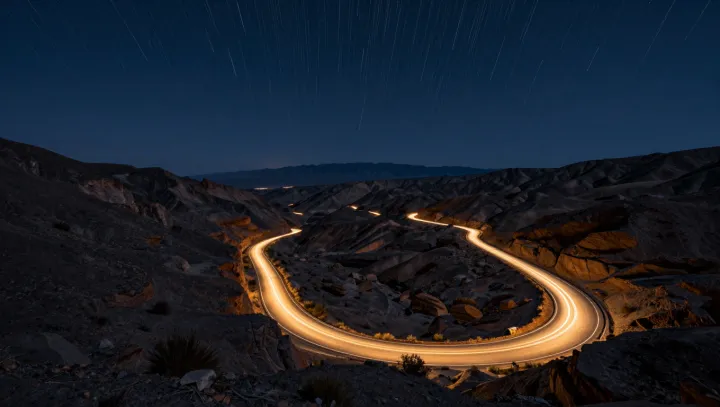
It is long exposure, not a new body, that rewrites how time behaves in your frame. By stretching shutter speed, you exploit sensor integration time and signal‑to‑noise ratio, turning car traffic into continuous ribbons and smoothing noisy shadows without touching ISO marketing claims. Motion blur becomes design, not defect, and the night stops looking like a dim daytime snapshot and starts to feel like recorded duration.
Negative space does the most radical work because it subtracts instead of adds. By leaving deliberate dark zones, you are manipulating luminance contrast and visual hierarchy, giving a single neon sign or distant tower the stage that twenty extra megapixels cannot buy. A new camera body tweaks files; these three choices rewrite what the frame is about.