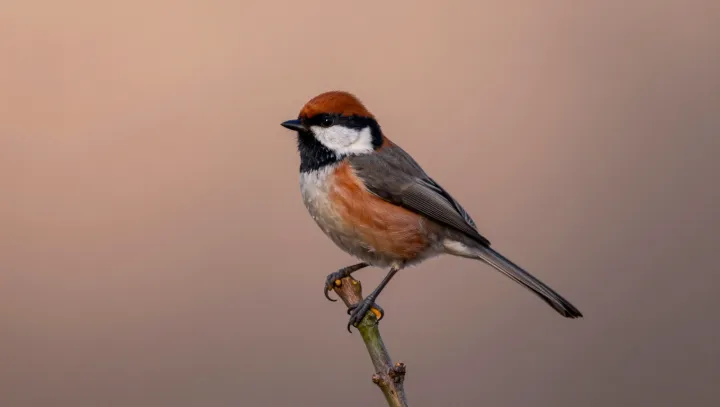
Abundance can conceal deprivation. A pet bird's bowl may brim with seeds while its diet supplies too little vitamin A or calcium, a mismatch that turns generous feeding into poor nourishment. Fullness proves very little. Beneath the reassuring ritual of topping up the dish lies a distinction between calories consumed and nutritional needs met.
Preference is no prescription. Given a seed mixture, many birds select favored kernels rather than eat every ingredient, which makes the contents of the bag a poor measure of the nutrients actually swallowed. Deficiencies can accumulate quietly. Hypovitaminosis A can damage epithelial tissues, including those lining the respiratory tract, while an unfavorable calcium-to-phosphorus ratio can compromise bone health. Calories offer no immunity. Fat-rich seeds can also promote obesity when energy intake exceeds expenditure, so excess body weight and malnutrition can occupy the same perch without contradicting each other.
Correction demands more than substitution. For many companion parrots, an appropriately formulated pellet diet, supplemented with suitable vegetables and other species-specific foods, offers better nutritional coverage than seeds alone; other birds require different feeding plans. Abrupt changes invite trouble. An avian veterinarian can assess the bird's condition and guide a gradual transition, with weight and actual food intake monitored rather than assumed from a disturbed bowl. Seeds need not disappear. Depending on the species and individual bird, they may remain a measured part of feeding or training rather than the entire menu. The bowl can look less lavish while finally offering more.