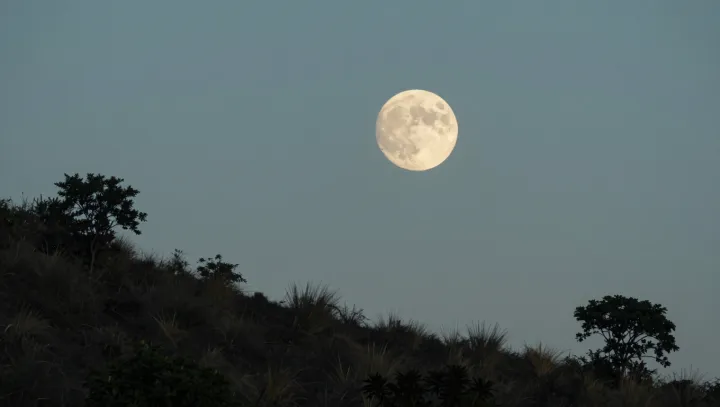
The crescent needs no magic. Its calming appeal may come less from light entering the eyes than from the way its spare, suspended shape draws attention away from problems that otherwise keep repeating themselves. Distraction deserves more credit. Research on attention and encounters with nature offers a plausible explanation, although it does not establish a special benefit from watching a crescent moon.
Worry dislikes sharing attention. In psychology, rumination describes repetitive thinking about distress, and an external object can interrupt that repetition without resolving whatever prompted it. The distinction matters here. Attention restoration theory proposes that some natural settings invite "soft fascination," a relatively effortless engagement that gives directed attention a rest, though findings vary across studies and measures. Moonwatching fits that possibility. A visible crescent offers shape, contrast and apparent stillness to notice, but applying this theory to it remains an inference rather than a demonstrated treatment for anxiety.
Moonlight is no prescription. Light can affect circadian rhythms through retinal pathways, but those established mechanisms do not show that a thin crescent delivers an immediate, distinctive calming signal to the brain. Context probably matters more. Quiet surroundings, fewer phone interruptions and pleasant associations could all contribute to relief, making it difficult to separate the moon's contribution from the circumstances of looking. Relief need not last. The same worries may return when attention turns inward again, yet a brief interruption can still feel welcome without proving any lunar power. The crescent leaves problems unfinished.