
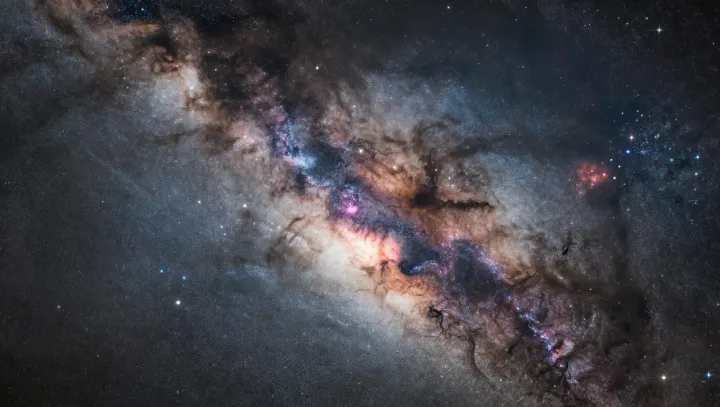
Centaurus A's Hidden Stellar Nursery
Centaurus A's dust lane blocks visible light but contains cold gas that collapses into stars. Infrared and radio observations expose the activity hidden behind its dark appearance.
2026-10-22
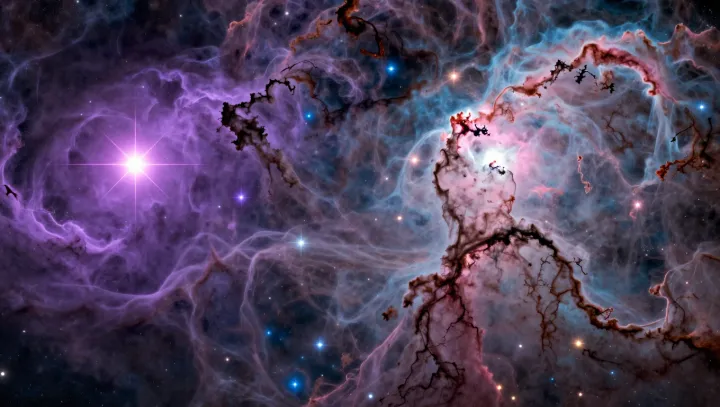
NGC 346's Unruly Star Makers
Massive stars in NGC 346 illuminate their nursery while winds and radiation reshape the gas and dust needed to form more stars and planets.
2026-10-22
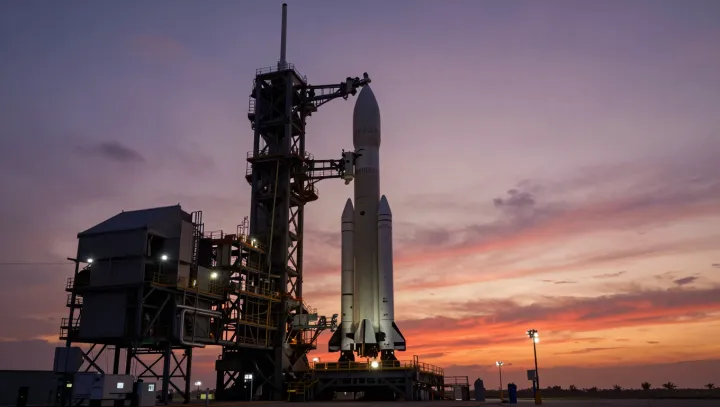
Crew-6 Needs Speed, Not Just Height
Crew-6 reaches orbit by gaining sideways speed, not merely altitude. Gravity keeps pulling the spacecraft inward while its forward motion carries it around Earth.
2026-10-22
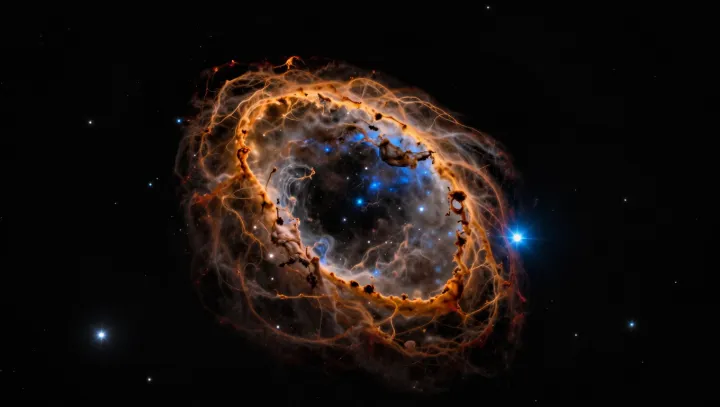
The Clouds That Were Galaxies
Many objects once labeled spiral nebulae are galaxies beyond the Milky Way. Measurements of variable stars exposed their distances and transformed estimates of the universe's size.
2026-10-22
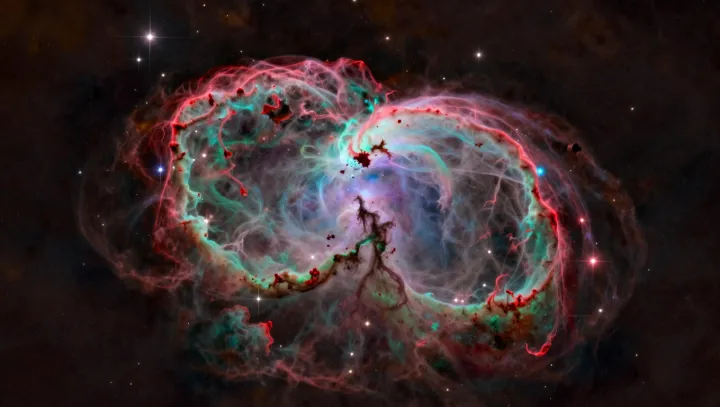
The Colors Human Eyes Cannot See
Green, blue, and purple translate a supernova remnant's X-ray energies into visible colors, revealing physical differences that human eyes cannot detect.
2026-10-21
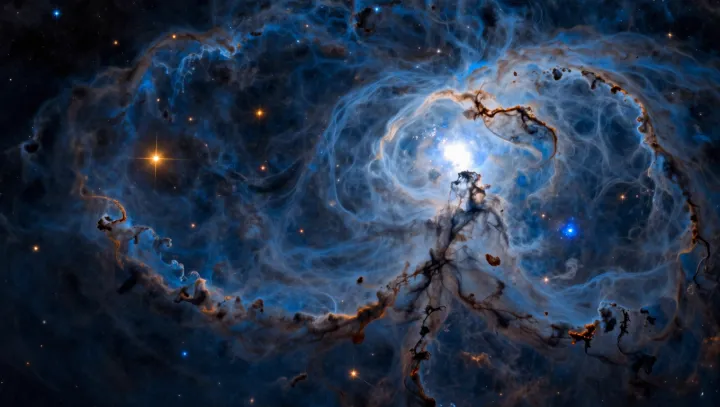
Webb's Snowflakes Are Optical
The snowflake-like spikes in Webb's view of a dark cloud are diffraction patterns produced by its mirrors and supports, not structures floating in space.
2026-10-21
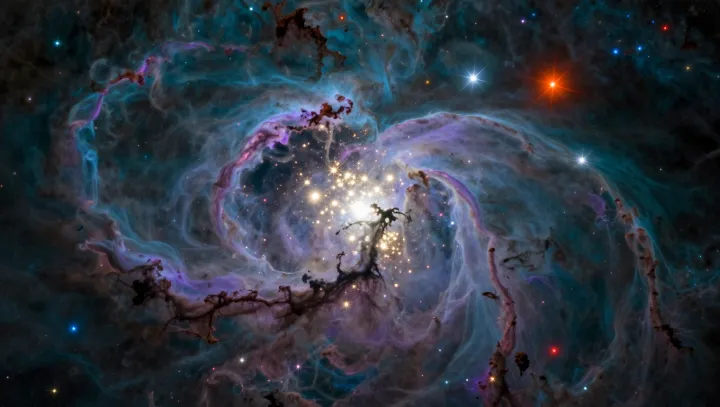
The Stars That Empty Their Nursery
Massive stars erode their birth clouds through radiation and winds, limiting further star formation even as compressed gas may create new pockets of collapse.
2026-10-21
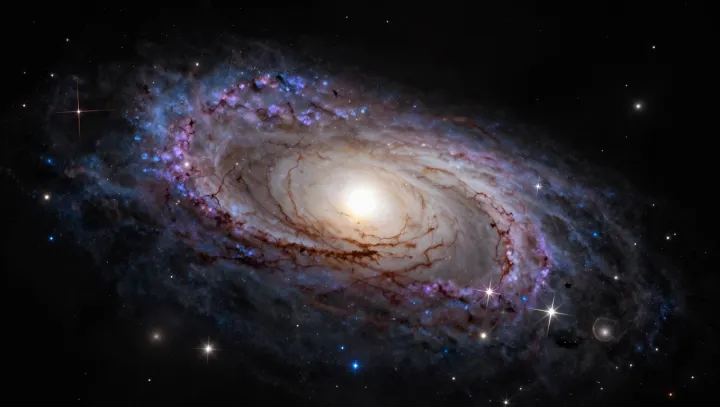
NGC 6956's Darkness Explains the Light
NGC 6956's reddish-brown dust lanes block and redden starlight, while its blue spiral arms reveal hot, young stars. The contrast reflects both stellar populations and intervening material.
2026-10-20
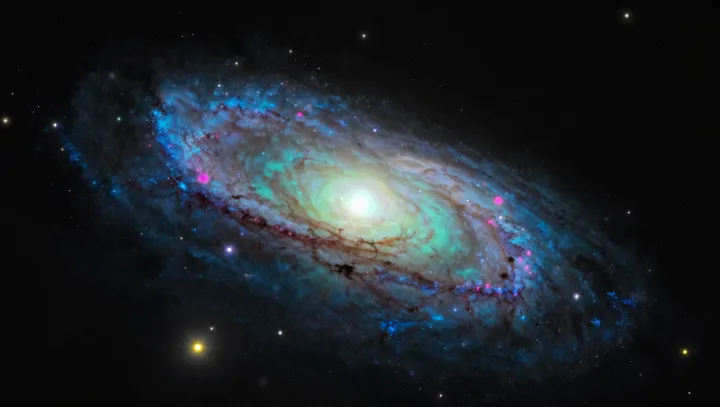
A Galaxy in Brazil's Colors
A galaxy's Brazilian colors honor Pele while illustrating how astronomers assign visible hues to measurements, including radiation beyond human sight.
2026-10-20
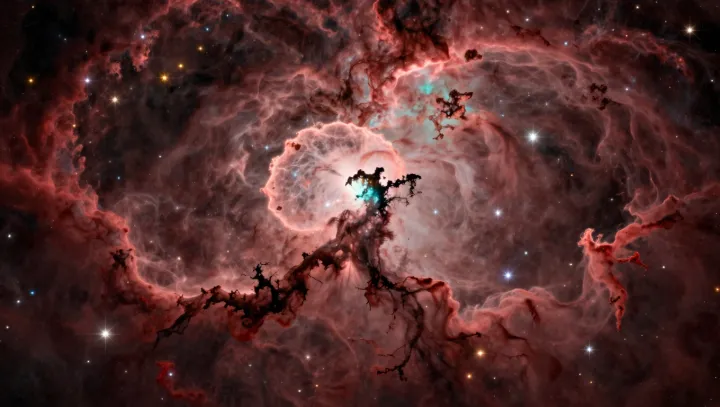
The Milky Way's Hidden Majority
The Milky Way's stars contribute only a small share of its mass. Stellar motions point to a much larger dark matter halo, although the substance itself remains unidentified.
2026-10-20
The Future Has No Return Ticket
Relativity allows travelers to age less than people on Earth. That permits a journey into Earth's future, not a return to its past; proposed backward routes remain unproven.
2026-10-19
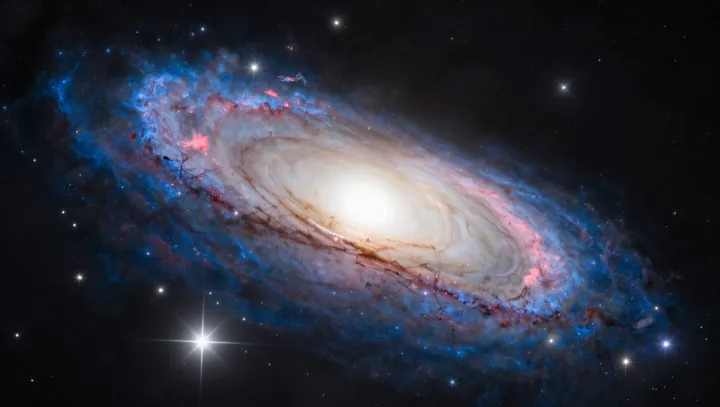
The Giants Burn Through Their Fortune
Giant stars expose the difference between size and mass, consume fuel rapidly, and help supply the elements from which planets form.
2026-10-19
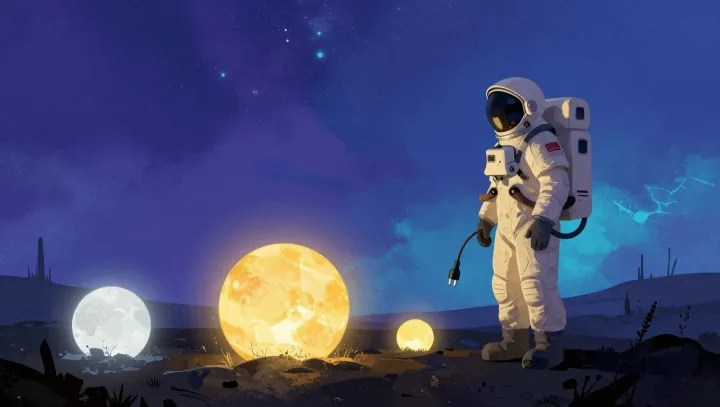
Robots Need No Return Ticket
Robots can replace astronauts on missions where survival and return costs outweigh the benefits of human judgment, though machines still face power, radiation, and repair limits.
2026-10-19
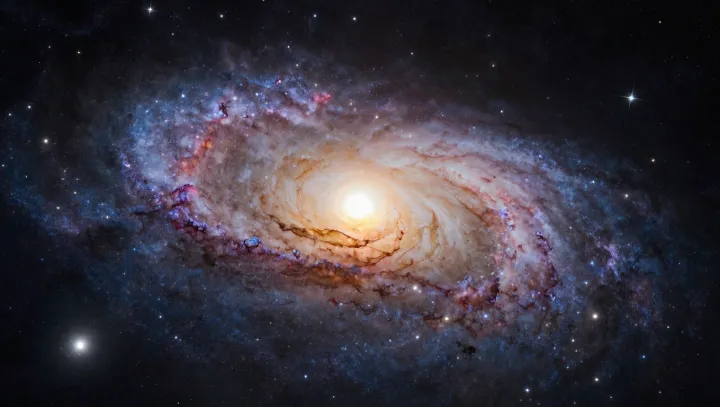
Why the Universe Outgrew Its Age
The observable universe spans about 93 billion light-years because space expanded while light traveled. Its size measures present distances, not simply light speed multiplied by cosmic age.
2026-10-19
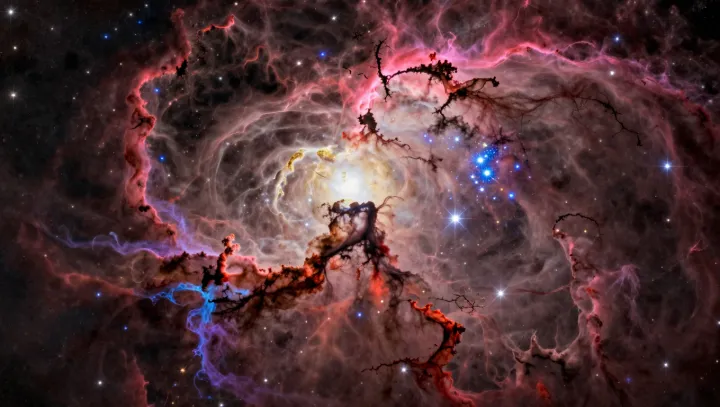
The Universe Behind TV Snow
Analog television static mostly comes from interference and receiver electronics. A tiny, variable contribution can come from the cosmic microwave background.
2026-10-16
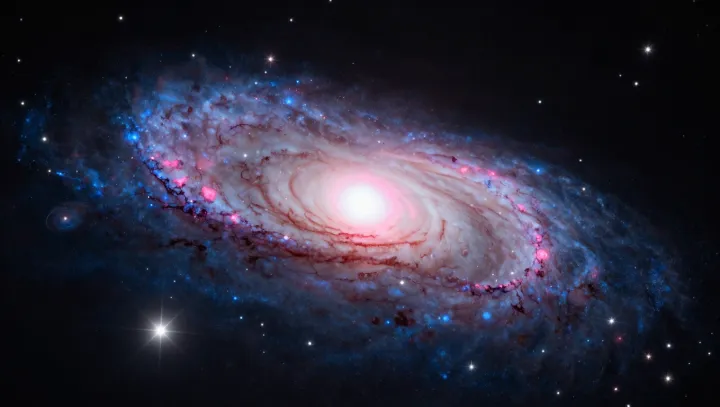
A Crowded Galaxy, No Confirmed Life
Stars offer opportunities, not guarantees. Unknown odds of life's origin, vast distances and limited searches leave a crowded Milky Way without confirmed evidence of extraterrestrial life.
2026-10-16
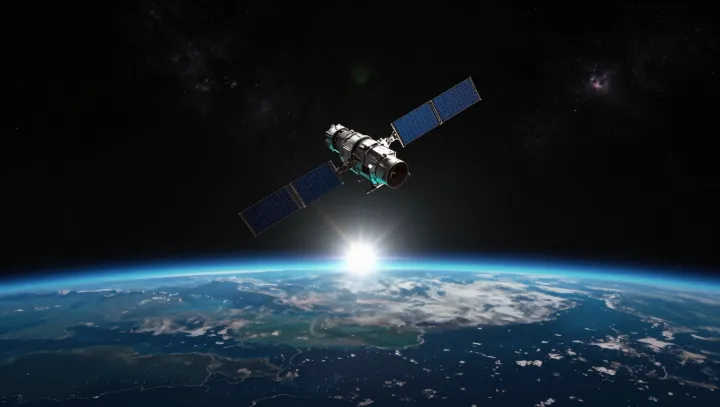
Ice Loss Leaves a Gravity Trail
Satellites detect ice loss through changes in Earth's gravity, using precise distance measurements and corrections for other movements of mass.
2026-10-16
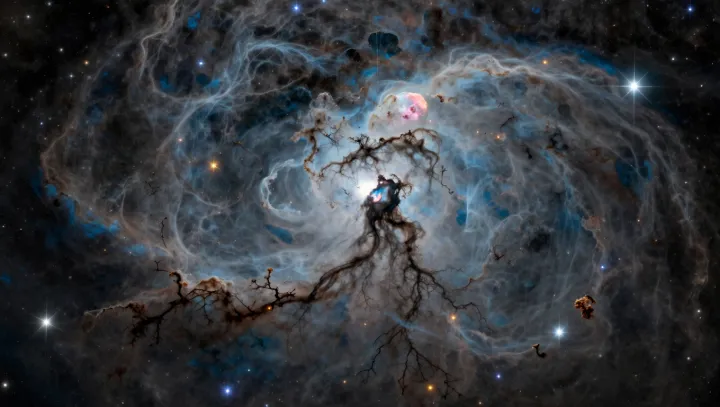
Hubble's Darkness Is Not Empty
Dark patches in a Hubble image are dust clouds obscuring background light. Their appearance reflects absorption and scattering, while infrared observations can reveal some hidden structures.
2026-10-15
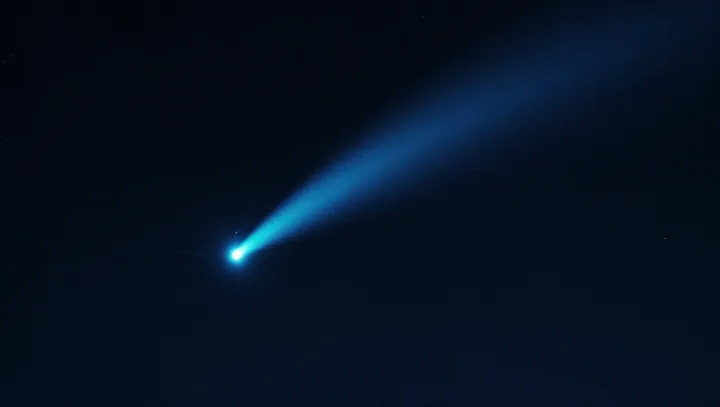
NASA's Slow-Moving Asteroid Wreckage
Hubble detected 37 boulders drifting from NASA's DART impact, revealing how an asteroid-deflection test also scattered surface rocks into space.
2026-10-15
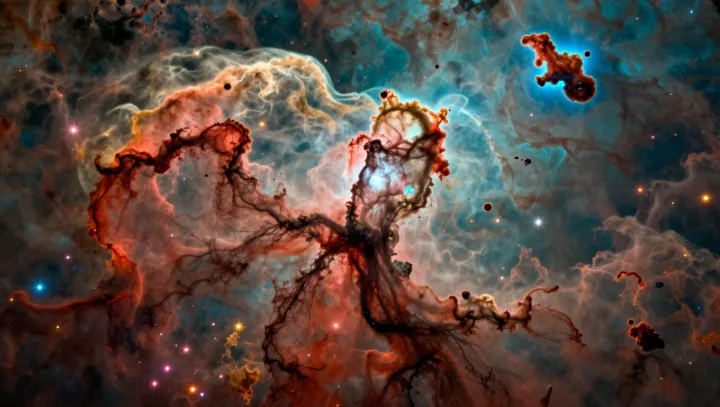
The Unseen Star Carving Dust Pillars
Radiation from an unseen massive star strips away exposed gas, leaving denser columns of gas and dust that can shelter forming stars even as their surfaces erode.
2026-10-15