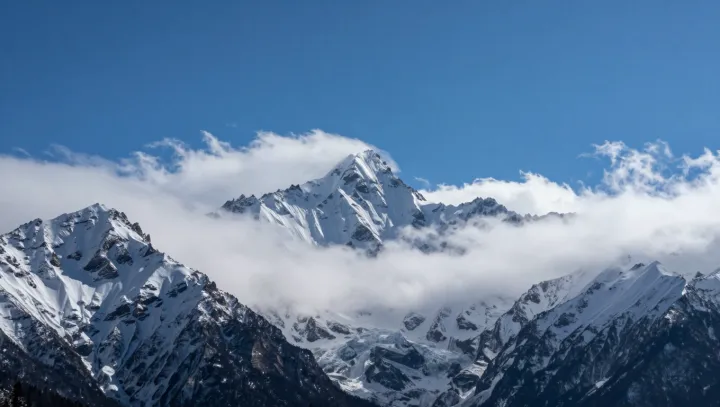
Thin air, not sheer rock, is often the main hazard on a high snowy mountain. Long before a slip on ice, the brain can begin to swell in response to low oxygen and changing pressure gradients. This process, known as high-altitude cerebral edema, can advance quietly while a climber still feels only mildly off or even falsely confident.
At altitude, the partial pressure of oxygen drops, forcing cerebral blood flow to rise to keep neurons firing. That surge stresses the blood–brain barrier, a microscopic membrane that normally keeps plasma out of brain tissue. When it starts to leak, fluid seeps into the confined space of the skull. Intracranial pressure climbs, compressing delicate tissue long before a person would describe themselves as seriously ill.
Unlike a visible cornice or an obvious crevasse, this threat hides in physiology. Ventilation, autoregulation of cerebral perfusion, and simple walking speed become survival variables. Ascend too fast and the margin for error narrows as edema accumulates. By the time headache, confusion, or stumbling appear, the underlying pathophysiology has been building for hours, turning every step on the ridge into a decision made by a compromised brain.