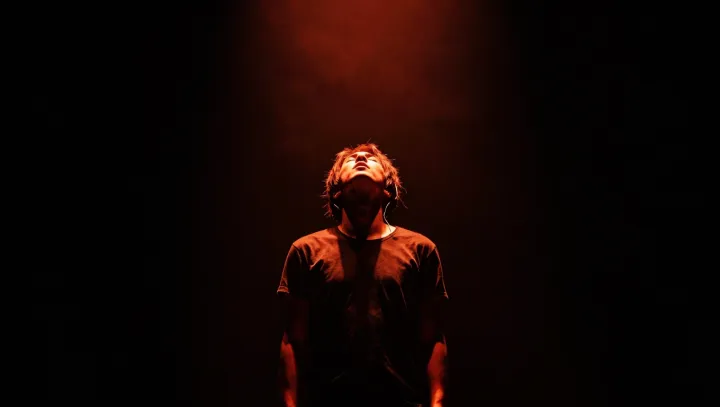
Stage lights, not catwalks, first framed G‑Dragon as a visual experiment rather than a stable image. What looked like another polished idol project soon turned into a moving blueprint for how streetwear, luxury branding, and beat‑making could share the same body.
Unlike many frontmen who outsource authorship, G‑Dragon moved early into the producer’s chair, treating hooks, drum patterns, and vocal textures as levers of entropy rather than fixed formulas. By co‑writing and co‑producing a large share of his catalog, he normalized the idea that a pop star could also function as in‑house A&R and sound architect, collapsing the marginal cost of experimentation and inviting younger artists to treat the studio as a laboratory instead of a finishing line.
His fashion impact followed a similar logic. Collaborations with luxury houses and street labels did not just sell capsules; they built a feedback loop in which runways borrowed from Seoul alleys while local kids copied pieces that had only appeared in lookbooks. Hair color, silhouettes, and accessories were deployed like visual sampling, turning airport photos into mood boards for stylists from Los Angeles to Paris. The result is a playbook in which the idol is no longer a mannequin but a creative director, setting a reference point that continues to shape both street fashion and production technique long after any single release falls off the charts.