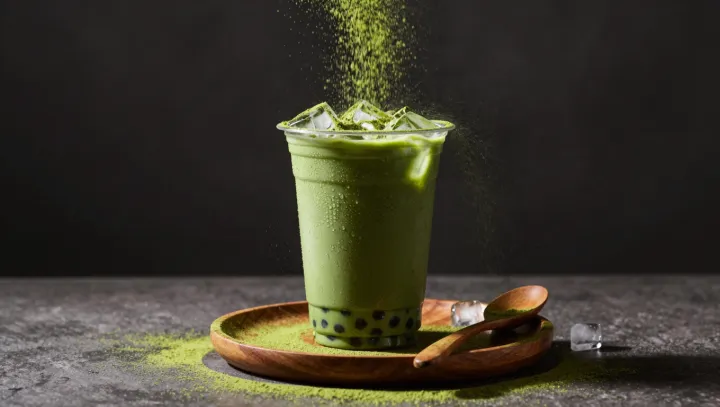
Bitter green tea powder sounds like punishment yet acts like training. That sharp edge on your tongue is not a flaw; it is a signal hitting taste receptor cells that rarely get a workout in a sugar-heavy diet. When bitterness from catechin-rich powder binds to T2R receptors, it sends a distinct electrical pattern along gustatory nerves, forcing the system to process a flavor profile many people usually avoid.
The counterintuitive part is that repetition makes bitterness feel less aggressive while sweetness loses some of its grip. Sensory adaptation in taste buds reduces the initial shock, and neuroplastic changes in the insula and orbitofrontal cortex adjust how the brain ranks flavors. As bitter input becomes routine, high-sugar foods no longer trigger such a dramatic dopamine response, so the same dessert starts to feel cloying rather than irresistible.
The practical effect is quiet but powerful. Regular unsweetened green tea powder acts like a calibration tool, narrowing the gap between subtle natural sweetness and the syrupy hit of added sugar. Over time, the tongue leans toward mild sweetness in fruit or grains, because the contrast against a normalized bitter baseline makes heavy sugar feel excessive, not rewarding.