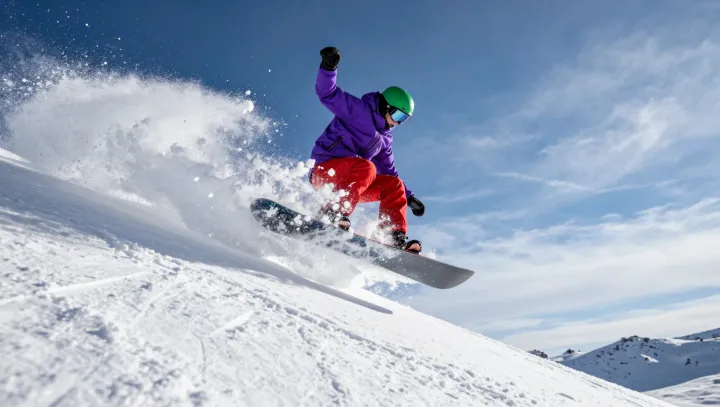
A plank on packed snow did not just start a sport; it started a migration. That backyard garage board, hacked together with scavenged parts and no rulebook, created a way to move that made skis look conservative and country-club safe. As copycat tinkerers refined edges, bindings, and sidecuts, they were not only improving equipment; they were writing a quiet manifesto against established ski technique and resort etiquette.
The real shock is that industry followed rebellion instead of crushing it. Small workshops morphed into brands, and brands built a full stack: magazines, VHS edits, then streaming clips that framed the snowboard as identity hardware, not just gear. Resorts that once banned boards began to leverage terrain parks and lift-ticket bundles, turning halfpipes into marketing assets and turning every rail slide into free content that sold jackets, energy drinks, and attitude.
Most telling is how the board now works like a passport stamp. Carry one and you gain entry into a shared slang, a dress code, a preferred music tempo, a map of hostels and vans and glacier camps. Sponsorship contracts, FIS rulebooks, and global contests supplied the bureaucracy; Instagram and cheap flights supplied the border crossings. What began as a wobbly backyard experiment now lets its riders step off a plane, click in, and feel at home before they say a word.