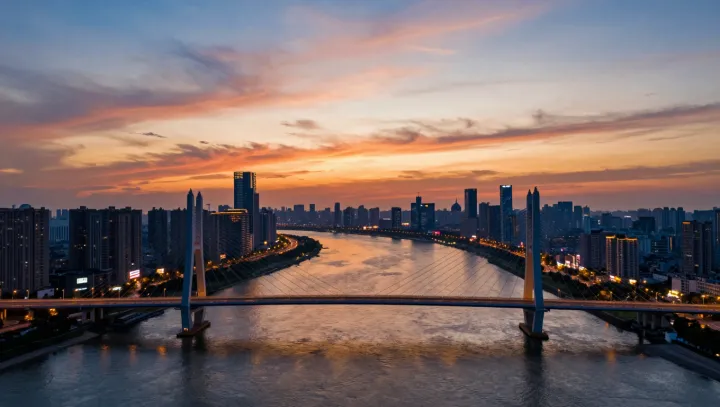
Still water can hide a hard experiment. Along a Midwestern riverfront, light poles now carry LiDAR units, anonymized Wi‑Fi sniffers and edge‑computing boxes, turning a scenic promenade into a live prototype field for World Cup logistics. What looks like a sleepy stretch of park is in fact a calibrated mesh of sensors feeding continuous origin‑destination and dwell‑time data into municipal servers.
The unlikely star here is not spectacle but constraint. With no coastal cachet and modest visitor numbers, the city could afford to treat entire districts as controllable test environments, where traffic signal priority, geofenced ride‑hail zones and dynamic curb pricing are toggled like parameters in a transport modeling suite. City engineers run agent‑based simulations against real bus arrival headways and pedestrian flows, then push micro‑adjustments to signal controllers and digital signage during concerts and minor tournaments.
Security, not just mobility, is being rewritten on these quiet blocks. A joint operations center fuses feeds from computer‑vision systems, license‑plate readers and Bluetooth beacons into a single situational‑awareness interface, stress‑testing response times and false‑positive thresholds without the stakes of a global event. Entertainment is part of the trial: pop‑up fan zones, augmented‑reality games and synchronized light shows serve as both lure and laboratory, revealing how long visitors linger, where bottlenecks form, and which nudges shift them. Out of this low‑profile grid, host cities on another continent will inherit a playbook for moving, watching and amusing vast crowds.