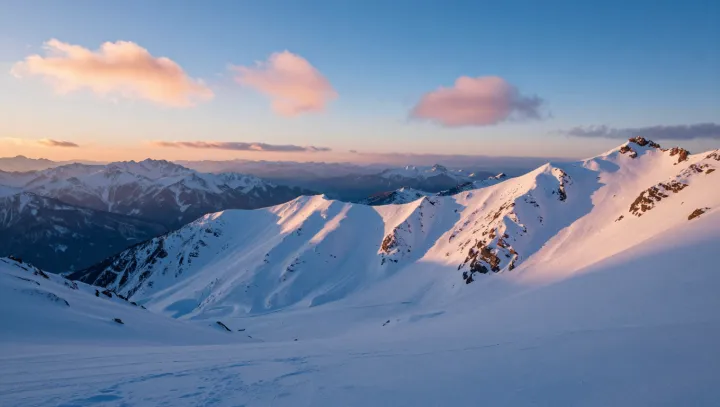
Thin air cheats your sense of effort. Snow muffles sound, branches hold a white load, and your slow steps look lazy, yet the physics of high altitude turns that quiet walk into internal hard labor.
The blunt truth is that your body cares less about pace and more about oxygen partial pressure. At altitude, barometric pressure drops, so each breath carries fewer oxygen molecules into the alveoli, those microscopic sacs where gas exchange occurs. To keep arterial oxygen saturation within a survivable range, ventilation rises and heart rate climbs, even when skeletal muscle demand is modest. The hike feels slow. Respiratory drive is not.
Cold air adds a second tax. It is dry and dense, forcing the airways to warm and humidify every inhalation, which increases metabolic cost in the respiratory muscles and can trigger mild bronchoconstriction. Inside the chest, the pulmonary circulation responds to low oxygen with hypoxic pulmonary vasoconstriction, a textbook reflex that narrows vessels in under-oxygenated regions of the lung. That raises pulmonary arterial pressure and loads the right ventricle like a stealth interval session.
Cardiologists would argue that this hidden workload matters more than your hiking app. Stroke volume, myocardial oxygen consumption, and peripheral vasodilation all shift to protect the brain and core organs, while skeletal muscles quietly accept a relative shortfall. You may shuffle along a frozen trail, but your cardiovascular system is running a different race, one measured in gradients, pressures, and saturation curves rather than in miles per hour.