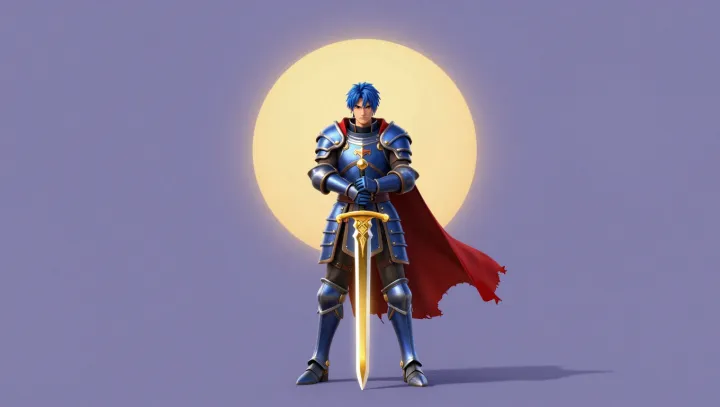
Myth seems obsessed with children only half built. Teenage protagonists dominate fantasy not because publishers chase youth, but because biology hands storytellers a ready-made ignition switch. During adolescence, synaptic pruning strips away unused neural connections while myelination speeds up surviving circuits, creating a brain wired for fast pattern detection yet still short on inhibition.
What storytellers intuit is a neural mismatch that feels like destiny. The limbic reward system, driven by dopamine surges, hits maximum sensitivity just as the prefrontal cortex, responsible for executive control and cost–benefit analysis, lags behind. That gap produces exactly the narrative behavior markets demand: reckless loyalty, sudden reversals, moral experiments conducted at full volume. A middle-aged savior would run the numbers and decline the quest.
The deeper bias is cultural, not just hormonal. Societies project their appetite for disruption onto bodies that are still rewriting their own code. Adolescent neuroplasticity, especially in circuits for social cognition and fear conditioning, offers a believable canvas on which a farm kid can learn swordcraft, overthrow an empire and rewrite a moral order in a single arc. On the page, the unfinished brain doubles as a political wish: that someone still forming themselves might also remake the world.