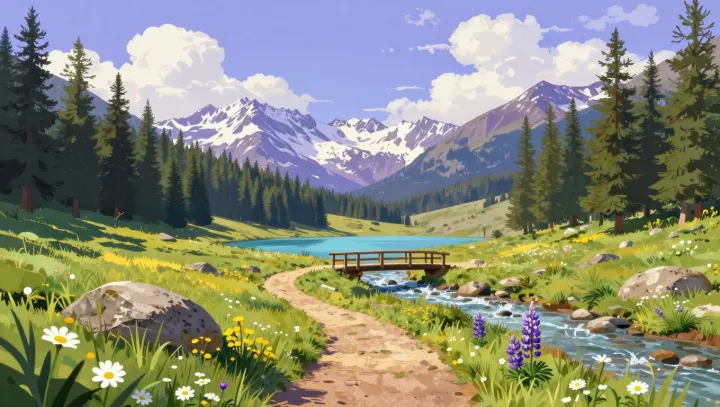
Beauty is a deadline. When snow releases an alpine meadow, flowers must germinate, expand, attract pollinators, and set seed before cold returns, so their apparent frailty is better read as a compressed production schedule governed by phenology, photoperiod, and the rate at which soil warmth reaches buried roots. Snow sets the clock. Beneath the display, meristems draw on stored carbohydrates, while buds already formed below ground convert a narrow thaw into leaves, stems, and pollen with a speed that lowland gardens rarely demand.
This economy is ruthless. A flower that opens early may gain access to sparse pollinators, yet frost can damage anthers and ovules; one that waits for safer air may lose the reproductive window altogether, because insect activity, meltwater, and daylight are coupled but never perfectly aligned. There is no reserve. Selection therefore favors traits that compress development: rapid cell division, cold-tolerant pollen, and preformed floral organs, each reducing the interval between snowmelt and fertilization even as wind, cloud, and a late freeze can erase a season's work. The meadow does not linger. It spends its color like a match, briefly bright against stone, asking whether endurance is always the same thing as time.