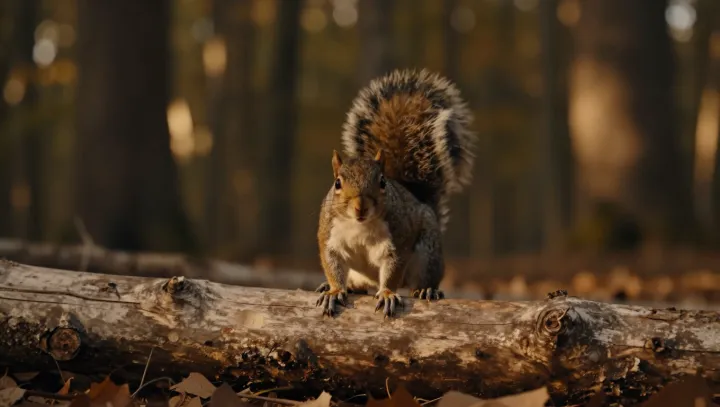
Leaf litter hides an argument. A squirrel that splits a meal among many shallow caches is not indulging appetite; it is practicing scatter-hoarding, since a single exposed store can be emptied by pilferage or erased by rot, flooding, and chance. Greed looks different. This is risk diversification, performed without any margin for error.
One cache can fail. Many caches impose a retrieval burden, and cache spacing matters because separation limits correlated loss; still, spatial memory and olfactory cues can help the animal revisit part of its dispersed inventory. The bargain is imperfect. Pilferers also use scent, observation, and their own cache maps, turning food storage into a quiet contest of concealment and recovery. That same dispersal can dilute the payoff for an observer who finds one hiding place, because discovery reveals little about the rest.
The cleverness lies in redundancy, not excess. No nut is insured. A concentrated hoard offers efficiency, but scatter-hoarding buys resilience by refusing to place survival inside one vulnerable location, much as risk diversification spreads exposure without promising safety. Winter stores become a wager. That is not romance; it is loss management shaped by predators, weather, and microbial decay. Under bare branches, each forgotten nut is both loss and possibility, waiting for hunger, decay, or a seedling.