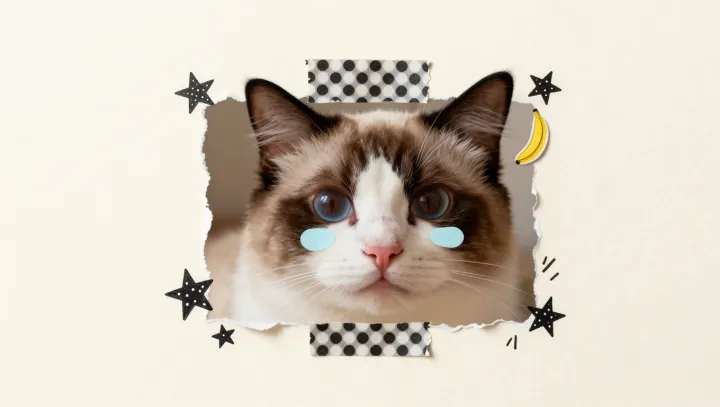
That bright bead misleads. A clear droplet gathering beneath a kitten's lower lid can resemble grief made visible, yet feline tears usually reflect ocular irritation, not an emotion spilling outward. You see a face. The eye is mounting a maintenance response: epiphora, or excess tearing, helps rinse irritants from the ocular surface.
Do not romanticize it. Dust, smoke, loose fur, and minor trauma can trigger tearing, while conjunctivitis, corneal irritation, allergies, eyelid defects, or a blocked nasolacrimal duct can keep the drainage system working overtime. Color matters, too. Clear fluid may follow a brief irritant, but thick yellow or green discharge, especially with sneezing, can point toward infection or feline upper respiratory disease. Behavior tells another story. Cats can show distress through hiding, vocalization, appetite shifts, or altered social behavior, but evidence does not support emotional crying as the cause of watery eyes.
Waiting can be costly. A kitten that squints, paws at the eye, avoids light, develops redness or swelling, shows a cloudy cornea, or has discharge that persists needs veterinary assessment, because eye pain and injury can worsen with little warning. Skip the medicine cabinet. Human eye drops, including products meant to reduce redness, are not a casual fix; use only treatment approved for the cat by a veterinarian. You love the drama. But if those glassy eyes stay wet, will you read them as a plea for sympathy, or as a signal to make the appointment?