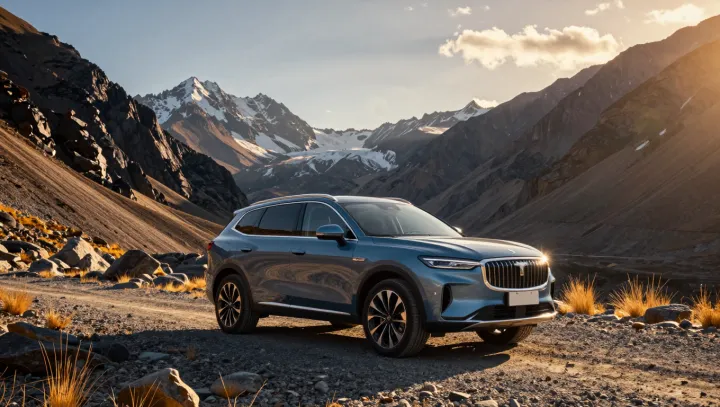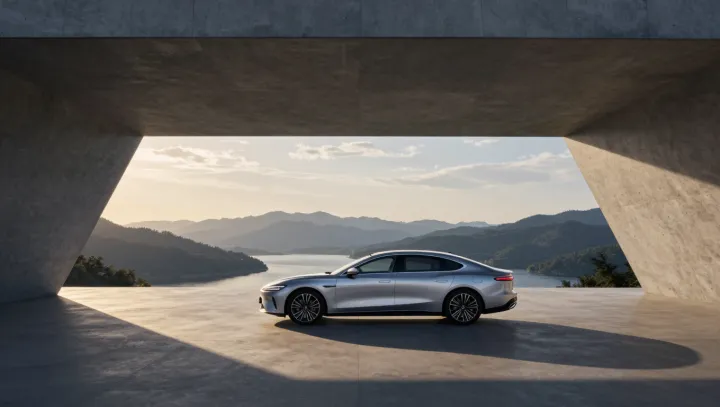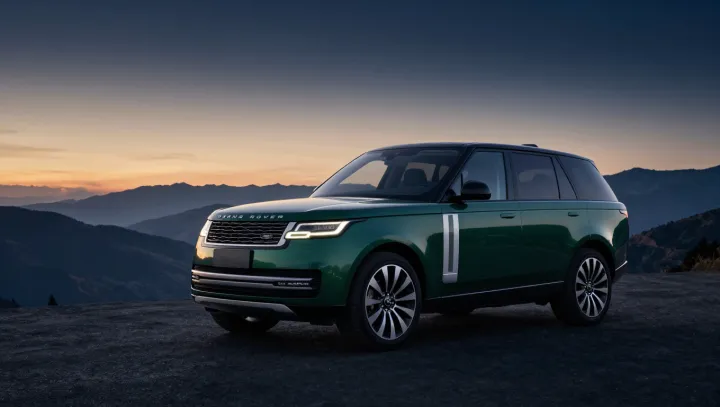
The tall hood tells the truth: buyers are not merely purchasing bulk, but a private first-class cabin that happens to clear a wet curb. Size is the visible alibi. Beneath it sits a long wheelbase, whose distance between axles damps pitch motions and lets designers isolate passengers from road noise through NVH engineering.
The real draw is control, not conquest. From a high H-point, drivers read traffic over smaller roofs, while a wide glasshouse and upright seating spare families the folded posture imposed by low cars. That view carries psychological value. Seating geometry does more than flatter status: it keeps children accessible, older passengers comfortable, and luggage behind the cabin, while a broad second row allows adults to travel without negotiation. A full-size SUV turns school runs, luggage, and long motorway miles into one flexible cabin, rather than three competing transport problems.
Luxury makers understand the arithmetic. These vehicles support higher transaction prices and richer option take rates, because air suspension, acoustic glass, rear-seat screens, and premium audio sell as a coherent promise rather than isolated extras. The cost is obvious. Weight strains energy use and tires, while sheer mass can make city streets feel hostile; yet the buyer sees an unusually persuasive trade: limousine repose without surrendering family capacity or eye-level authority. For many households, that consolidation of roles feels less indulgent than insurance against daily friction. At the curb, the big vehicle waits like a drawing room on stilts, asking whether comfort has become a form of power.