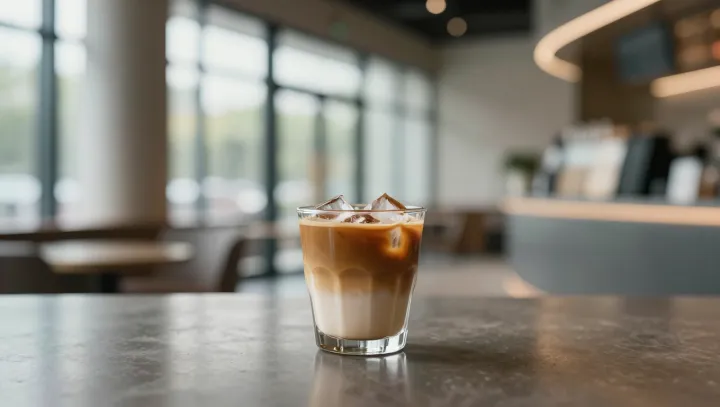
A glass of bubble tea can behave less like a dessert and more like a calibrated food system when you treat it as an experiment in fat, sugar, and brewed tea. Shift the focus from flavored syrups to concentration curves, and the drink turns into a question of ratios, not hype.
At the core is an emulsion problem: milk fat and tea polyphenols must coexist without muting aroma. By fixing total dissolved solids in the brewed tea and targeting a narrow band of milk fat percentage, home brewers can tune mouthfeel while keeping tannins perceptible. Sucrose concentration then sets osmotic balance, which influences not only sweetness perception but how tapioca pearls hold their structure over time through starch retrogradation.
Chain stores often optimize for shelf stability and speed, leaning on premixed bases and stabilizers that flatten volatility in the system. A home experimenter can invert that logic, prioritizing volatility of aroma compounds by brewing to order, chilling rapidly to limit oxidation, and adding fat only at the end to minimize flavor binding. Measured with a simple kitchen scale and a timer, this approach lets a countertop recipe outperform many glossy franchises on both sensory resolution and ingredient transparency.
What looks like a pastel treat with chewy spheres becomes, under this lens, a small laboratory where every cup is a controlled trial in how far precision can push a familiar drink beyond its branded template.