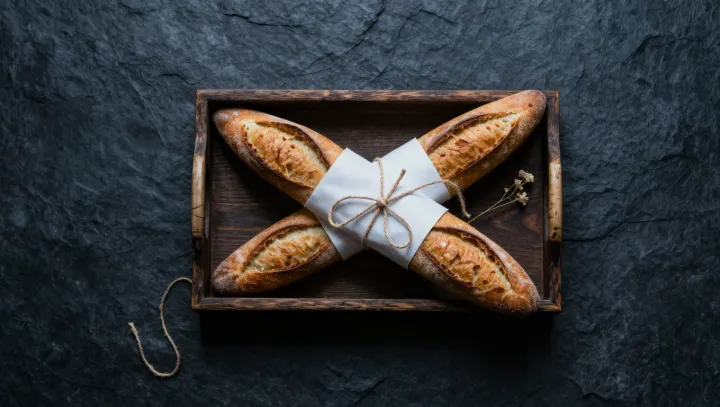
A baguette that feels almost like a brick is not a mistake; it is a design decision. That rigid shell is a deliberate response to a problem every baker faces: how to slow staling without chemical shortcuts, relying only on flour, water, yeast and salt.
Inside the loaf, starch retrogradation and moisture migration drive the clock. As gelatinized starch chains realign, they push water away; crumb firms; flavor fades. A thick, highly baked crust acts as a semi‑permeable barrier, reducing water vapor loss while locking in volatile aromas. The same structure that resists your first bite is managing entropy, trading immediate tenderness for a longer window of acceptable texture.
Physics does the rest. High oven heat maximizes Maillard reactions on the surface, creating a dry, glassy layer with low water activity. That layer increases surface stiffness and slows gas exchange, limiting how fast the interior equilibrates with surrounding air. Consumers, often unconsciously, reward this engineering: they tolerate a demanding chew in exchange for bread that remains sliceable, toastable and aromatic hours after it leaves the oven, all without emulsifiers or preservatives.