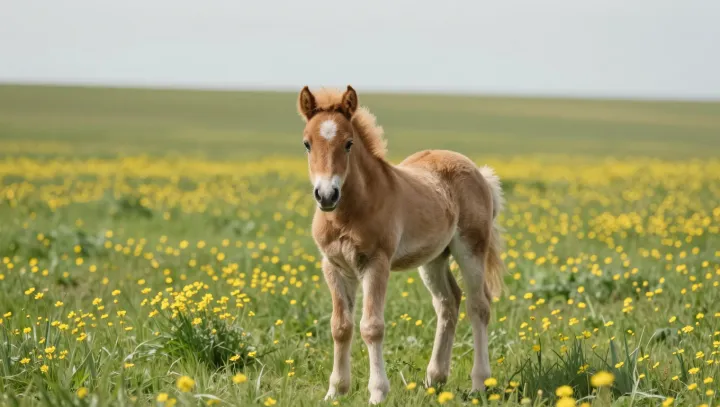
Shrinking horse bodies began as a genetic glitch in the growth hormone pathway, not as a luxury concept. A variant affecting insulin‑like growth factor signaling set the biological ceiling for height, trimming limb length and overall body mass while leaving core equine anatomy intact.
Once that mutation was noticed in small, hardy work animals, breeders leaned into classic artificial selection. Studbooks started to enforce strict upper limits at the withers, often measured to the fraction of an inch. Registry committees treated centimeters like currency, rewarding the lowest possible baseline metabolic demand in a still functional horse. Animals that slipped over the height threshold were simply written out of the official narrative, even if they carried the same alleles.
Tight standards created an artificial scarcity effect. Papers that confirmed both height and pedigree worked like a certificate of authenticity in an art market, turning each eligible miniature into a numbered print. Show rules and breeding contracts then closed the loop, using conformation scores and genetic screening to maintain what amounted to a biological brand identity. As with any scarce branded asset, demand migrated from farms to private collections, and the once practical small horse now moves through the world as a living, breathing collector edition.