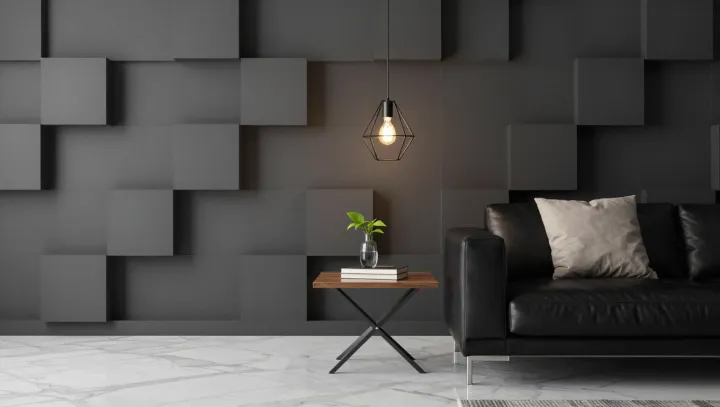
A dim circle of light on a bedside table, the muted edge of a rug under bare feet, a patch of green in the corner of a room: these minor details often shift stress and sleep more than premium mattresses or elaborate wellness routines. The reason lies less in aesthetics and more in how the nervous system parses signals of safety, predictability and effort.
Dimmable lamps help the suprachiasmatic nucleus regulate circadian rhythm by reducing blue‑enriched light that suppresses melatonin secretion. That smoother transition from wakefulness to sleep lowers physiological arousal and trims sleep onset latency. A soft rug changes somatosensory input and improves proprioceptive feedback, which can downshift sympathetic nervous system activity and support parasympathetic dominance, nudging heart rate variability in a calmer direction.
A single plant introduces biophilic cues that tap into evolved preferences for natural stimuli, lowering perceived stress and even modulating baseline cortisol levels in some studies. Crucially, these items reduce cognitive load and decision fatigue: they require no willpower, no habit formation, no extra time. Expensive lifestyle upgrades often chase marginal gains at the level of performance, while these small environmental changes quietly alter the boundary conditions of homeostasis, giving the brain less to fight and more room to rest.