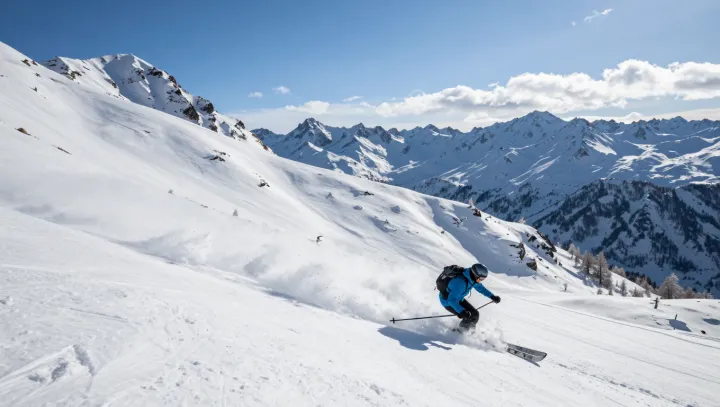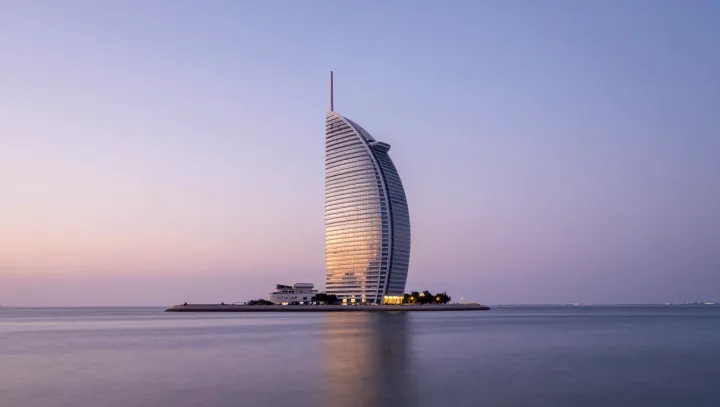
A strip of sand beside the Persian Gulf now offers indoor skiing, artificial archipelagos and an economy where oil contributes less than one percent of measured output. Concrete, air conditioning systems and container ships displaced fishing boats and pearling dhows as the city’s basic metabolic rate for capital and energy rose.
The transformation rests on an aggressive deployment of economic diversification, a response to the entropy of finite hydrocarbon reserves. Instead of relying on crude exports, the city engineered free‑trade zones, tax exemptions and light‑touch regulation to attract logistics firms, media companies and global finance. Real estate megaprojects such as man‑made islands and supertall towers functioned as both collateral and billboard, turning the skyline into advertising for foreign direct investment.
Tourism, aviation and professional services now dominate gross domestic product, while state‑linked developers and sovereign investment vehicles manage the marginal effects of a property‑driven growth model. Imported labor underpins everything from construction to hospitality, compressing costs and accelerating build‑out cycles. The result is a service hub that treats oil not as its bloodstream, but as seed capital that has already been largely converted into concrete, runways and financial contracts.