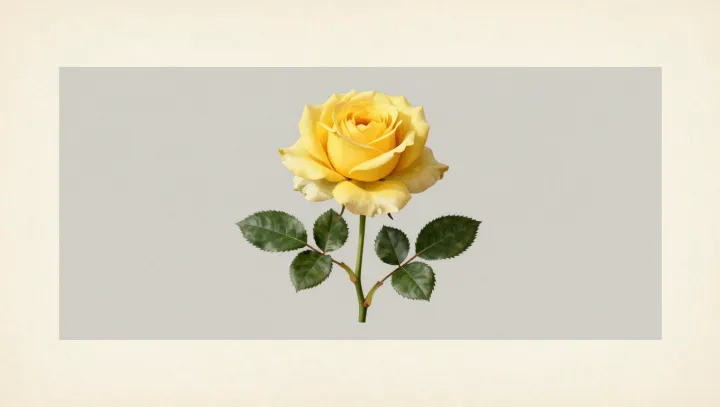
One compact pot can now rival a full rose border in bloom density, but the emerging playbook looks almost upside down. Instead of constant comfort, growers are testing six habits that deliberately ration water, trim less, and time stress so the plant diverts more resources into flower production rather than endless leaf growth.
The approach leans on plant physiology rather than folklore. Mild, controlled water deficit raises abscisic acid, the hormone that shifts a rose toward bud formation and tighter stomatal control, while short pulses of mechanical stress alter turgor pressure and carbohydrate allocation. By spacing irrigation and avoiding heavy, frequent pruning, growers lower the plant’s maintenance load, improving its carbon budget and the marginal effect of each unit of light on floral meristems.
Nutrient input is not ignored, but it is no longer the hero metric. Overfeeding can push vegetative growth and suppress the stress signals that cue flowering. Instead, balanced mineral supply, measured evapotranspiration, and selective removal of only spent blooms create a feedback loop that keeps cytokinin and auxin gradients favoring repeat bud initiation. The result is a small container rose that behaves, visually, like a shrub trained for exhibition, achieved not by excess, but by precise, well-timed constraint.