Stone, not soil, frames the life of a central Asian and Japanese iris that endures on exposed slopes where many bulkier plants fail. The answer lies less in brute strength than in a set of anatomical and physiological tweaks that turn apparent fragility into a survival strategy.
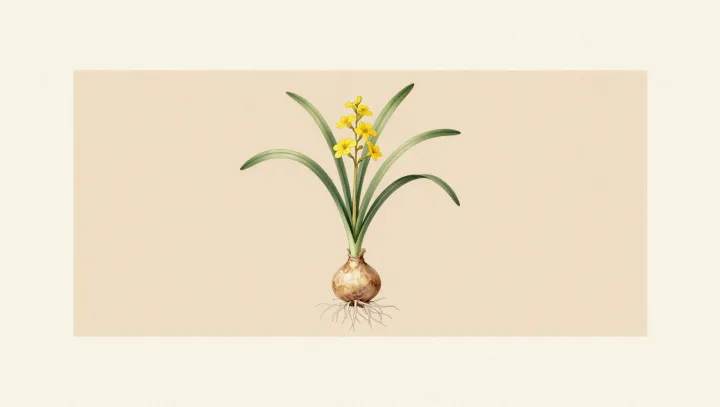
Beneath the petals, a compact rhizome system anchors the plant in narrow rock crevices, acting as both scaffold and reservoir. Thickened leaf bases and specialized parenchyma cells store water, buffering fluctuations in transpiration rate when sun and wind strip moisture from the surface. A relatively low surface‑area‑to‑volume ratio in the foliage reduces evaporative loss, while a dense cuticle and tightly regulated stomata slow further leakage under high vapor pressure deficit.
Below ground, fine roots probe deep fractures, accessing pockets of capillary water that never reach bulkier competitors with shallower root architecture. At the molecular level, suites of heat‑shock proteins and late‑embryogenesis‑abundant proteins stabilize membranes and enzymes under thermal and desiccation stress, maintaining basic metabolism when tissues partially dehydrate. This combination of mechanical anchoring, water‑storage tissue, hydraulic efficiency and stress‑response biochemistry allows a seemingly delicate iris to occupy a niche that remains closed to more obviously rugged species.