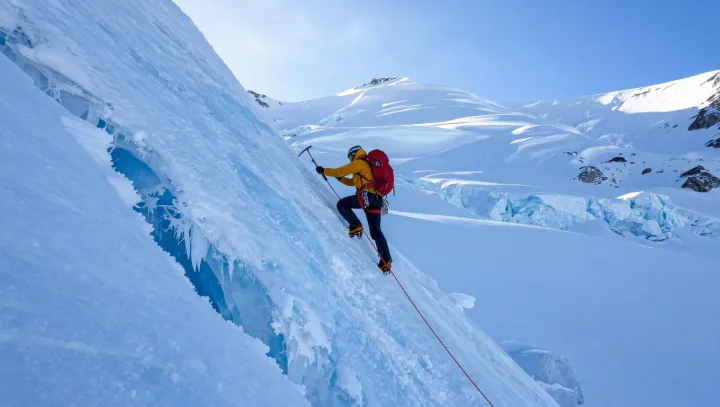
Air so cold it freezes exposed skin can still surround a body hot enough to function. On a narrow ridge at minus twenty, survival depends on a brutal energy trade. The human engine must burn fuel fast enough to keep core temperature in a narrow band while the environment strips heat away.
The key is metabolic overdrive. Basal metabolic rate rises at altitude and in chronic cold, while shivering thermogenesis and non‑shivering thermogenesis add extra heat production. Brown adipose tissue, packed with mitochondria, acts as a biological furnace, uncoupling oxidative phosphorylation to dump energy as heat instead of storing it as ATP. Continuous climbing recruits large muscle groups, and those working muscles behave like radiators, converting chemical energy into both motion and warmth. The result is an enormous spike in total energy expenditure.
At the same time, the body is bleeding heat into thin, dry air and through constant wind, even with insulated clothing. Peripheral vasoconstriction protects vital organs, but limbs and skin cool, increasing the temperature gradient and further accelerating heat loss. To stay in balance, the climber oxidizes vast amounts of glycogen and fat, often outpacing any intake. Negative energy balance of thousands of kilocalories in a single day translates into more than a kilogram of mass lost. The body survives the cold only by spending itself.