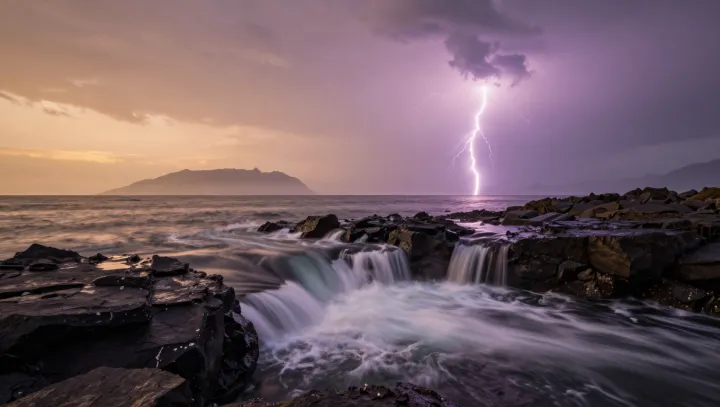
Steep cliffs, fractured rock and a narrow highway frame a zip code where homes can sell for tens of millions while the ground beneath them keeps slipping seaward. This once hard‑to‑reach stretch of California coast was long defined by isolation and a small community of artists.
As road access improved and disposable income surged among tech and finance elites, scarcity and scenery created a powerful marginal effect in property values. Strict zoning, conservation easements and limited buildable land turned geology into a kind of economic moat, concentrating wealth on a sliver of stable ground. Real estate agents now market ocean exposure that is, in geological terms, temporary.
Behind the marketing lies a simple entropy story: wave energy, coastal erosion and slope instability keep redistributing rock and soil downslope. Engineers deploy retaining walls, deep piers and drainage systems to slow mass wasting, but they do not reverse it. Insurance contracts grow more complex, disclosures lengthen and buyers pay a premium to inhabit a landscape that is, by design and by nature, always edging closer to the water’s edge.