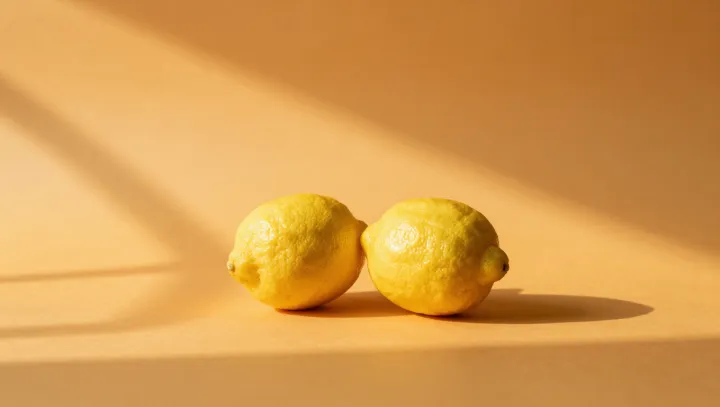
The burn of lemon water hits the tongue like a tiny alarm, but it does not pull alcohol out of your system. The body relies on liver enzymes to process ethanol, step by steady step, regardless of how sour your drink tastes or how awake you suddenly feel.
Inside the liver, alcohol dehydrogenase and the microsomal ethanol oxidizing system control the real pace of detoxification. These metabolic pathways convert ethanol to acetaldehyde and then to acetate, a sequence governed by enzyme capacity and basic metabolic rate rather than citrus flavor. Lemon juice may change saliva flow and stimulate the vagus nerve, but it does not alter blood alcohol concentration or hepatic clearance kinetics.
What lemon water can do is shift perception. Strong acidity, temperature contrast and intense taste provide sensory input that competes with dizziness or drowsiness, creating a brief illusion of clarity while psychomotor impairment and reaction time deficits remain. Hydration and electrolytes from any nonalcoholic drink can support homeostasis, yet they cannot override zero order alcohol elimination. The liver keeps its slow, mechanical schedule, no matter how puckered your mouth feels.