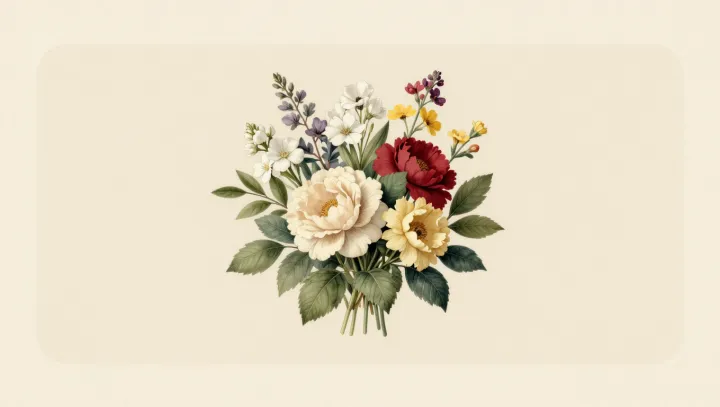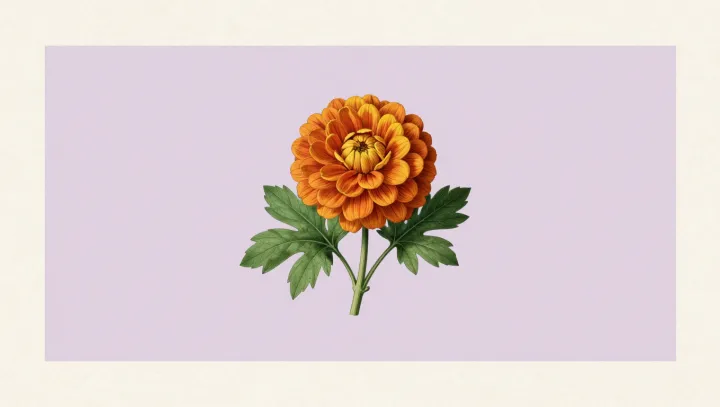
A tight spiral of petals now stands where a sparse buttercup once did. The modern ranunculus, a showpiece of florists and plant fairs, began as a modest wild relative in Southwest Asia and Southeast Europe, then was pushed through generations of selection until its floral organs were almost unrecognizable.
Breeders, long before the language of DNA, repeatedly saved seed from plants with extra petals and fuller blooms, unconsciously probing the marginal effect of tiny mutations in developmental genes. Those changes touched classic homeotic gene networks that decide whether a floral organ becomes sepal, petal, stamen, or carpel, reshuffling the plant’s basic blueprint. As stamens were progressively converted into petal-like structures, floral meristem activity extended, stacking whorl upon whorl into the densely layered heads now used in textbooks as a living diagram of morphological plasticity.
For botanists, ranunculus functions as both cut flower and case study: a reminder that selective breeding can, through slow entropy increase in variation and careful human curation, push a familiar wild form to the edge of recognizability without ever leaving the rules of plant development behind.