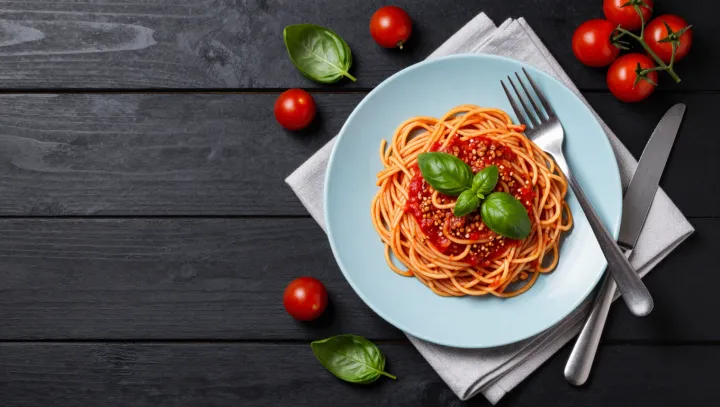
A bowl of pasta does not automatically derail a weight‑loss plan. Nutrition research increasingly separates the noodle from the context around it, pointing to calorie density, portion control and meal composition as the real levers that shape body weight.
Pasta itself is a source of starch and contributes to total energy intake, but its impact depends on how much you serve and what shares the plate. When portions align with individual energy needs and basal metabolic rate, pasta can sit inside a calorie deficit, which remains the core mechanism for fat loss. Adding lean protein and high‑fiber vegetables changes satiety signals, moderates gastric emptying and helps stabilize post‑meal blood glucose, which is reflected in a lower effective glycemic load for the whole dish.
The contrast is stark between a large bowl drenched in cream‑based sauce and a modest serving tossed with olive oil, grilled chicken and vegetables. The first drives excess calories with minimal fiber; the second leverages volume, protein and fiber to extend satiety and reduce the temptation for additional snacks. For many dietitians, the marginal effect of pasta on body weight hinges less on the grain itself and more on habitual portion norms, mindless refills and highly processed toppings. In that light, the familiar bowl becomes less a villain and more a test of everyday food design.