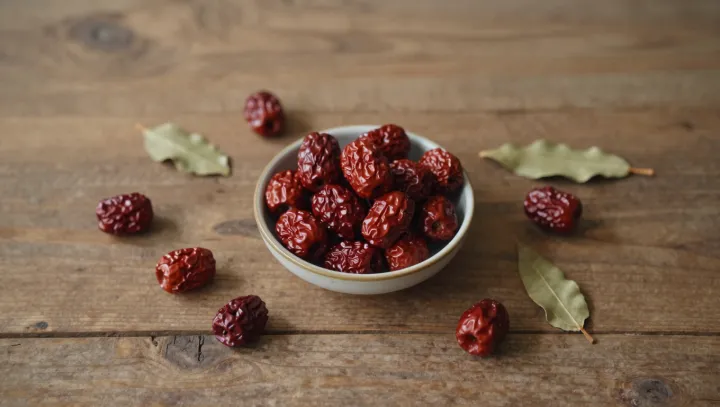
A small shift in timing and pairing turns red dates from a fast sugar hit into a slow-release micronutrient pack. The change is simple: stop eating them alone, and start eating them with protein, fat and fiber in a mixed snack.
Red dates are dense in glucose and fructose, so when eaten on an empty stomach they have a relatively high glycemic index and glycemic load. Rapid absorption pushes plasma glucose up, triggers a sharp insulin response and leaves iron-supporting nutrients like vitamin C and folate working against a background of hormonal volatility. Adding protein and fat slows gastric emptying, while viscous fiber increases chyme thickness and delays carbohydrate digestion.
When red dates are combined with nuts, yogurt or another protein source, the carbohydrate matrix reaches the small intestine more gradually. This moderates postprandial blood glucose and reduces strain on insulin sensitivity, a key factor in basal metabolic rate stability. At the same time, organic acids and vitamin C in the fruit can support non-heme iron absorption from other foods in the meal, creating a small but useful marginal effect for women managing iron status.
The practical format is straightforward: slice one or two red dates into a bowl of plain yogurt, or pair them with a small handful of almonds or walnuts instead of eating them as a stand-alone sweet. This preserves their potassium, polyphenols and natural sugars, but places those sugars inside a mixed macronutrient context that behaves less like candy and more like a compact functional food.