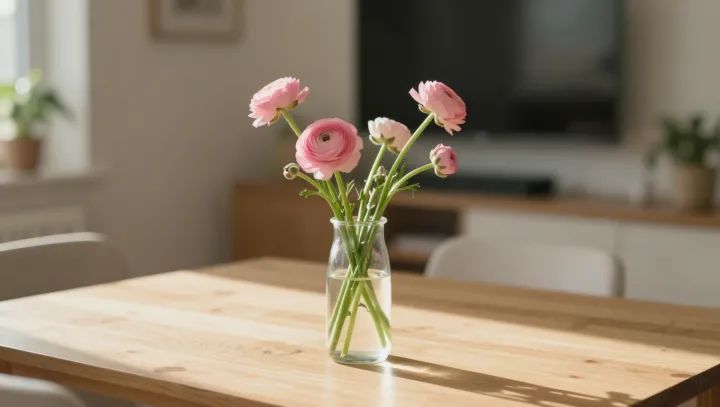
A single vase of flowers on a bedside table can do what many productivity hacks cannot: change your stress biology. When your eyes land on organic color and curved petals at the start and end of the day, the visual cortex, limbic system and prefrontal circuits process that signal as low threat and high safety, which reshapes the cortisol curve that frames your waking hours.
Unlike habit trackers or yet another time‑blocking template, flowers operate through bottom‑up sensory input. Light, color and subtle symmetry are parsed by the autonomic nervous system, nudging the balance from sympathetic arousal toward parasympathetic recovery. That shift alters heart rate variability and hypothalamic‑pituitary‑adrenal axis activity, which is where stress hormones are actually regulated. The result is a measurable drop in circulating cortisol and a faster return to baseline after daily micro‑shocks such as notifications, meetings and commute delays.
Many productivity tools target behavior at the level of schedule and attention, where the marginal effect quickly plateaus and often adds cognitive load. A vase of flowers instead modifies the ambient environment, turning recovery into a passive default rather than an extra task on a to‑do list. Morning exposure anchors a calmer starting state; evening exposure signals closure, supporting sleep‑related melatonin dynamics and memory consolidation. In an economy obsessed with optimization, the quiet intervention of a few stems in clear water offers a reminder that the most efficient lever on performance may be the nervous system, not the calendar.