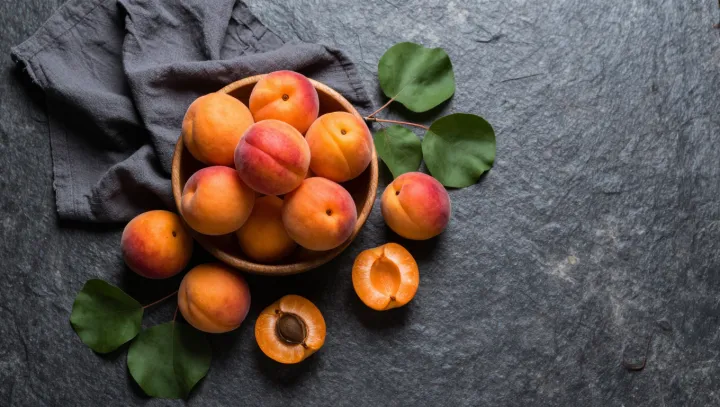
One small apricot can hydrate the body more effectively than a same-sized sip of plain water on a scorching day. The fruit arrives as a pre-mixed hydration package: water bound to sugars, organic acids, and minerals that change how fluid moves through the gut and into cells.
Inside the intestine, this blend alters osmolality, the concentration of dissolved particles that helps drive water transport across the epithelial barrier. Natural glucose and fructose pair with potassium and small amounts of sodium to support sodium-glucose cotransport, a mechanism that pulls water along with dissolved nutrients. Instead of rushing through the stomach, the apricot’s water is released gradually as its plant cell walls break down.
Dietary fiber, especially soluble fiber, increases viscosity in the gut and slows gastric emptying. That delay smooths the absorption curve, improving fluid retention rather than causing a rapid spike and quick excretion. At the cellular level, potassium supports membrane potential and intracellular fluid volume, while organic acids help maintain acid-base balance, further stabilizing water distribution. Plain water lacks these co-factors, so more of it can be lost quickly through urine or sweat.
In effect, the apricot behaves like a natural oral rehydration matrix, leveraging transport physiology to turn a single bite into a more efficient hydration event than an equal mouthful of water alone.