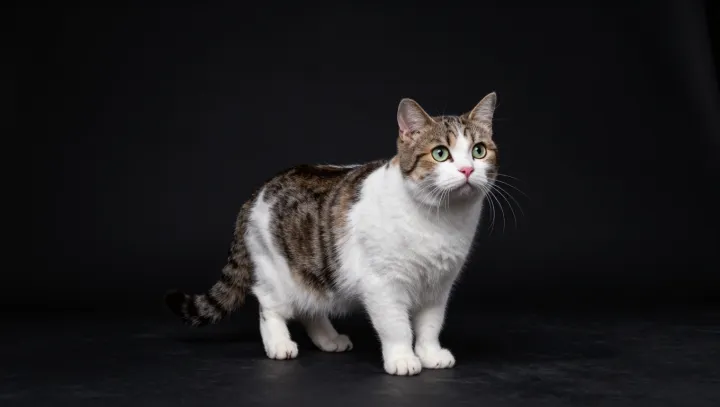
Soft vibration in a cat’s throat is not a love song for a superior species. Ethologists now argue that purring, rubbing and slow blinking are parts of a feline social protocol, and humans are simply slotted into that system when they behave in recognizably cat-compatible ways.
Purring emerges from rhythmic laryngeal muscle contractions and autonomic nervous system activity, but its social meaning depends on context. Among cats, the signal often marks proximity, low arousal and a request for continued contact, not obedience or hierarchy. When a human offers slow blinks, a soft, steady voice and predictable feeding and play routines, the animal maps those cues onto its existing template for a safe, low-threat companion. In effect, the human is treated as a familiar cat-shaped presence, even if the body plan does not match.
Studies of attachment theory in companion animals describe a pattern closer to peer bonding than to strict parent-offspring imprinting. Instead of seeing a guardian or a servant, the cat appears to track reliability, spatial consistency and response patterns, a kind of informal cost-benefit analysis rather than mythic loyalty. The closer a person aligns with the species-typical signals of calm, non-invasive contact, the more likely the animal is to choose that lap, follow that voice and reserve its quietest purrs for that specific, well-categorized ally.
The domestic cat’s small brain and modest basal metabolic rate do not prevent it from running this continuous social classification process; they simply constrain how much information it can update at once. Within that limit, the animal leans on efficient heuristics: eye shape, blink speed, approach angle, hand trajectory, corridor routines. Each repeated cue tightens the feedback loop between human predictability and feline trust, not as a sentimental story about ownership, but as a working model of who is safe to share space with.