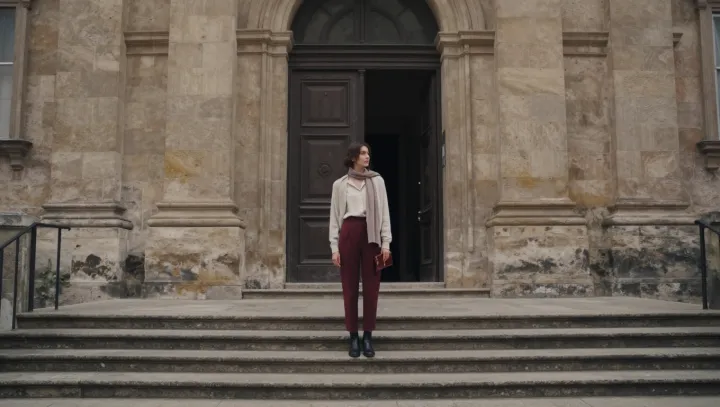
A coat in soft light, a muted knit, a long clean line: before any logo appears, the brain has already filed the look under “expensive.” In fall–winter dressing, status is less about branding and more about how fabric texture, color temperature and silhouette quietly exploit the shortcuts of visual cognition.
Texture is processed fast by the visual cortex, using edge detection and contrast sensitivity much like a compression algorithm deciding what data to keep. Dense, brushed wools and tightly spun cashmeres create low-noise, even surfaces, which the brain associates with stability and low “entropy” in material quality. Shiny, flimsy or creased fabrics introduce visual noise, increasing perceived randomness and lowering the unconscious estimate of durability and cost, even when price tags say otherwise.
Color temperature then sets a social reading. Cool neutrals and desaturated tones reduce chromatic “signal,” nudging attention toward structure and suggesting control and resource conservation, an echo of decision fatigue research and marginal utility: fewer, calmer hues imply a wardrobe optimized rather than improvised. Warm, saturated colors can signal approachability, but in large areas they risk looking like marketing rather than mastery unless anchored by cooler, quieter pieces that restore a sense of deliberation.
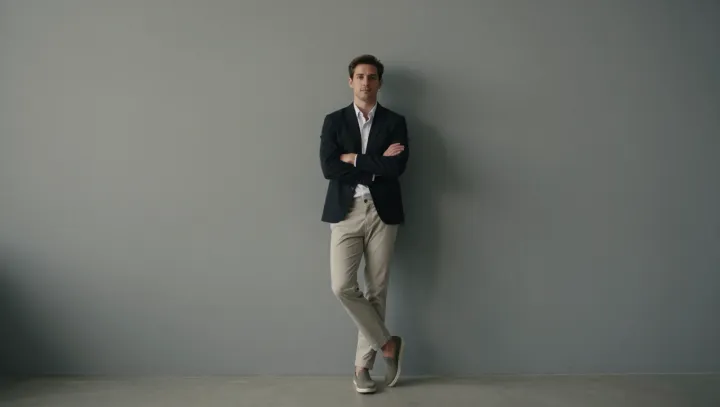
Finally, silhouette lines act as a status interface. Long verticals and clear shoulder-to-hem trajectories simplify the figure into legible geometry, which the brain parses efficiently and links to confidence and authority. Broken hemlines, fussy draping or inconsistent proportions raise the “cognitive load” of decoding the body, subtly suggesting uncertainty. When texture is low-noise, color temperature is controlled and lines stay coherent, the eye completes a single conclusion before any logo can intervene: this person knows, and owns, the room.