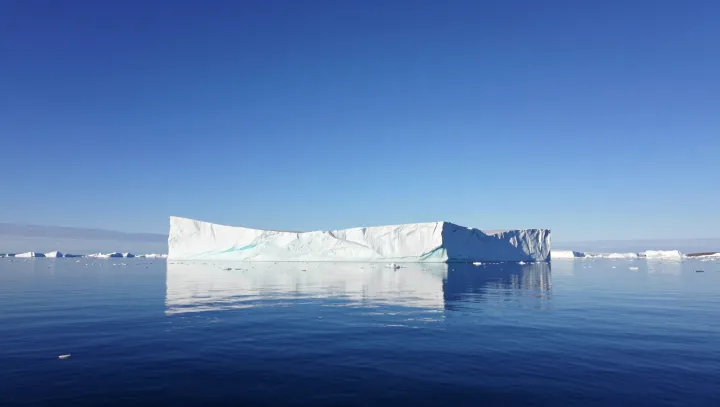
A skin of sea ice only centimeters thick can redirect ships, redraw shorelines and alter the pace of planetary warming. Its presence changes how wind transfers momentum into the ocean surface, how waves break on coasts and how heat escapes from water to air.
In marginal ice zones, thin floes damp waves, lowering significant wave height and reducing mechanical erosion on exposed coasts. Where that seasonal lid retreats, open water fetch increases, wave energy rises and unconsolidated shorelines lose sediment faster. The same ice cover modifies sea surface roughness and friction, shifting optimal shipping lanes as operators balance shorter polar routes against variable ice drag, hull risk and insurance cost.
Thermodynamically, even a thin layer boosts surface albedo and cuts turbulent sensible and latent heat flux from ocean to atmosphere. That changes the local radiation budget and the vertical temperature gradient that drives convection. When the ice vanishes, darker water absorbs more shortwave radiation, accelerating ocean heat uptake and reinforcing Arctic amplification through a classic positive feedback loop. In polar seas, centimeters of ice act as a switch for energy, momentum and sediment pathways, with consequences that extend far beyond the ice edge.