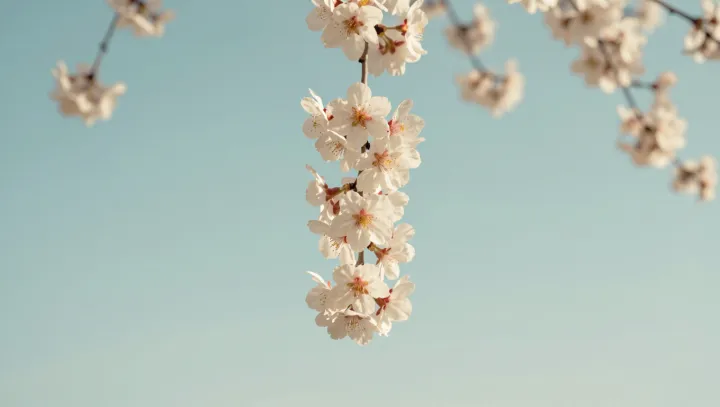
Petal clouds over city streets are not accidents of nature but the outcome of long selective breeding that favored short-lived, spectacular bloom over fruit or timber. Ancient growers repeatedly chose trees with denser flowers and synchronized flowering, altering genetic diversity and basic reproductive biology, and turning a wild forest species into an ornamental monoculture.
Those aesthetic choices now underpin a global economy. Urban festivals and destination travel built around blossom weeks create large tourism revenues and premium pricing for hotels, transport and food. Nurseries and landscaping firms monetize patented cultivars, while municipalities use blossom corridors to brand districts. The same dense root systems help prevent soil erosion along rivers and slopes, adding a quiet ecosystem service to the balance sheet.
For scientists, cherry trees have become living sensors. Long records of first flowering dates form high-resolution phenology datasets that track shifts in average temperature and reveal local expressions of entropy increase in climate systems. Researchers combine these timelines with plant physiology metrics such as photosynthetic rate to refine climate models and study urban heat islands. What began as deliberate aesthetic selection has turned into a biological instrument that measures how fast the world is changing.