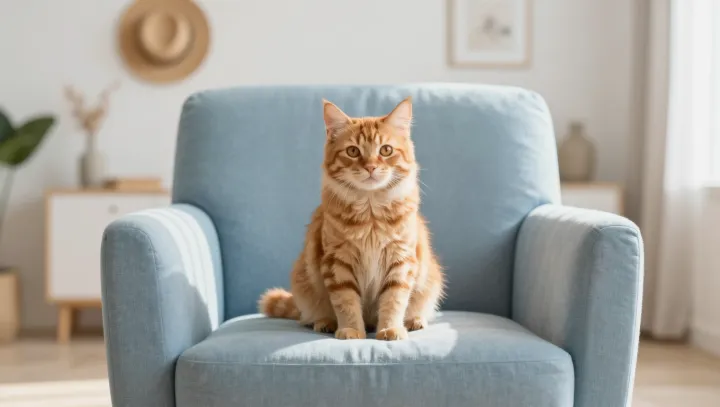
Modern cuddle charts for cats keep elevating breeds with working origins, from ship companions to barn patrol. That pattern is not a coincidence; it is a genetic and behavioral legacy of how these animals were shaped to live and cooperate alongside humans under demanding conditions.
Working cats were historically selected, sometimes unconsciously, for traits that made them reliable partners: low reactivity around noise and movement, high tolerance of handling, and a tendency to seek human proximity instead of avoiding it. Individuals with calmer hypothalamic pituitary adrenal axis responses coped better with crowded spaces and unpredictable environments, so they were more likely to be fed, protected and bred. Over many generations, that quiet stress physiology turned into a personality template that now reads as “lap cat.”
Close daily contact also reinforced attachment pathways. Cats that stayed near people gained food access and shelter, so natural selection favored brains that released more oxytocin and dopamine in response to touch and social cues. Those neural reward systems, once useful for maintaining a working alliance, now power long purring sessions on sofas. Breeds known for patrol, pest control or travel were effectively optimized for social compatibility and resilience, and those same design choices make them overperform on any scale that measures affection and cuddle readiness.