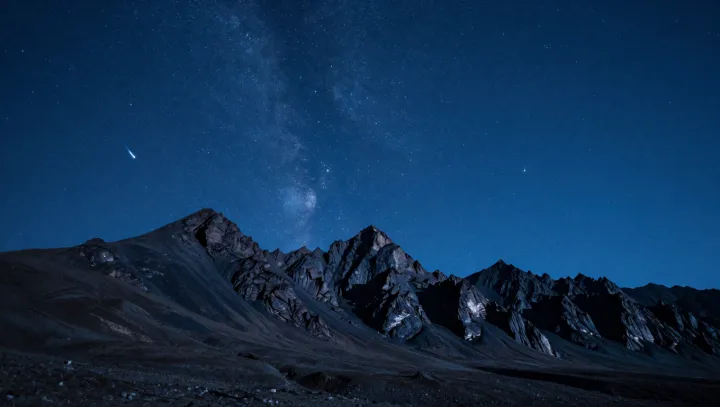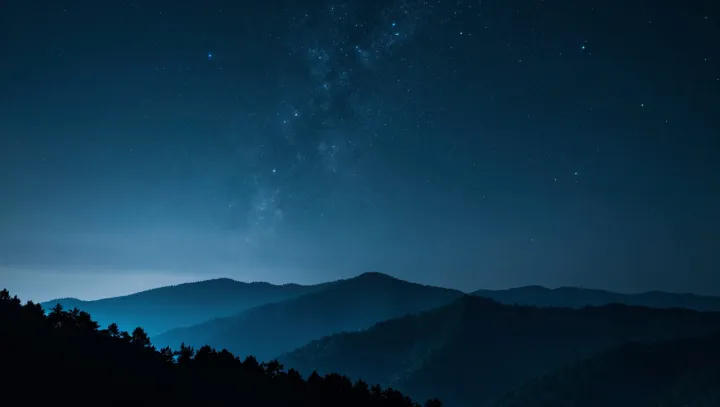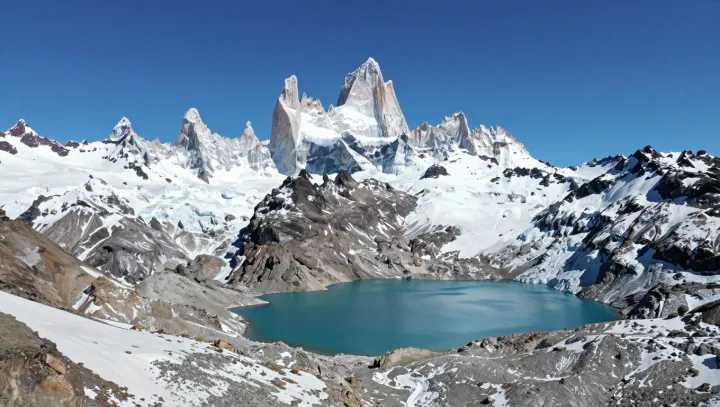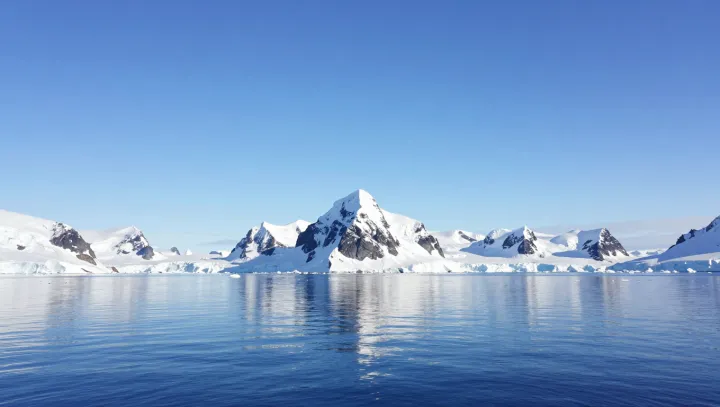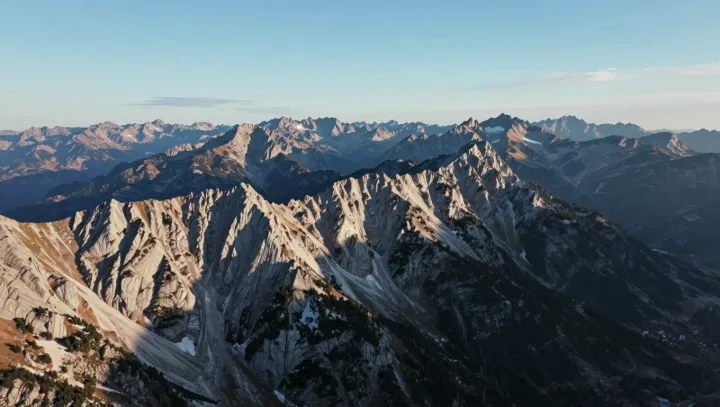
Flat-looking mountain photos are not a camera failure; they are perspective and optics doing exactly what geometry predicts. When peaks sit far from the lens, the angular difference between near and far ridges becomes tiny, so the image sensor records a stack of shapes with minimal separation.
Human depth perception relies on binocular disparity and motion parallax, plus atmospheric perspective in the scattered light between you and the peaks. A single, small camera sensor collapses that stereo baseline, and a wide-angle lens further reduces relative size differences through perspective projection. The result is a kind of visual entropy increase: spatial order in the real scene turns into compressed, low-contrast layers on the screen.
A hot-air balloon ride attacks that compression by changing the geometry of the scene. Lifting the camera above the terrain increases the vertical baseline between foreground and background, amplifying parallax just as a longer lever amplifies force in classical mechanics. Shift the focal length toward a moderate telephoto, and you can balance perspective distortion with magnification, selectively framing steep valleys and isolated ridges to restore cues of height and relief.
From the basket, you can combine altitude, viewing angle and focal length like variables in a controlled experiment in projective geometry, turning a flat postcard into an image that again feels like standing on the edge of real space.