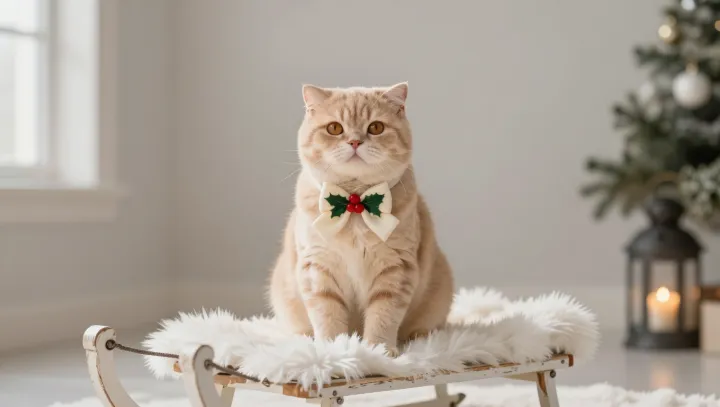
An ordinary pigment glitch in felines may help explain why orange cats keep hijacking your feed. The shade traces back to a mutation on the X chromosome that alters melanin production and, because the gene is sex-linked and often dominant, it reshapes which animals thrive in certain environments long before they ever meet a camera.
Behavioral studies suggest that these ginger cats are, on average, more social and more willing to approach unfamiliar humans and spaces than many of their counterparts. Researchers tracking free-roaming populations report higher rates of bold, exploratory behavior and different patterns of territoriality, hinting at shifts in baseline cortisol regulation and even in basic metabolic rate compared with other coat colors.
Those traits have a clear marginal effect in the attention economy. A cat that walks straight toward a stranger, tolerates handling, and recovers quickly from stress is easier to film, costume, and endlessly recontextualize as a meme. The same mutation that once helped certain animals compete for mates and resources in barns and alleyways now gives them a disproportionate share of likes, loops, and sponsored posts on mainstream platforms.