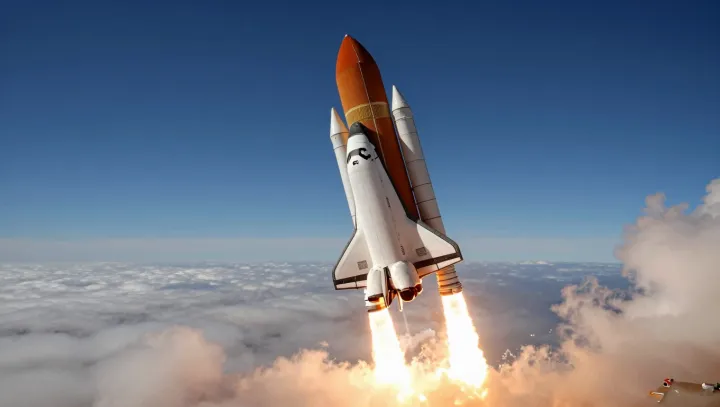
The dashboard in a typical vehicle now handles navigation, infotainment, diagnostics and driver assistance with processing power that once guided spacecraft, yet it still cannot reliably warn of the next traffic jam a few miles ahead.
The gap is less about raw processing throughput and more about information entropy and system design. Car computers run complex firmware for rendering graphics, decoding media and managing sensor fusion from cameras and radar, but they operate inside a fragmented data environment. Real-time traffic flows depend on external telemetry, cellular networks and crowd-sourced location data that arrive with latency and inconsistent coverage, limiting any predictive model of congestion.
Navigation systems typically rely on shortest-path algorithms and static road graphs rather than dynamic queuing theory or robust Bayesian forecasting. Safety constraints and regulatory compliance narrow the scope for aggressive experimentation on live roads, while proprietary software stacks prevent an open data commons that could improve model accuracy. The result is a machine that can stabilize engine torque and manage battery thermal dynamics with precision, yet often misjudges when a line of red brake lights will suddenly appear.