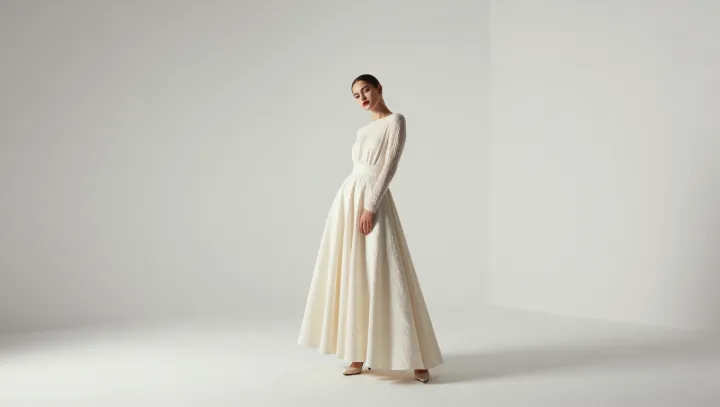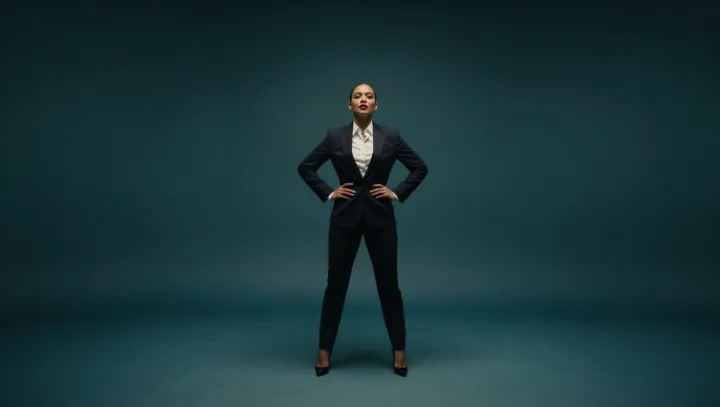
The suit does not empower women; it edits them. Clean lapels, sharp shoulders, a dark block of fabric: this uniform began as a tool to mute the body, to smooth breasts and hips into office‑safe geometry. Yet the same visual erasure now works like a spotlight. Within seconds, observers read structure, hierarchy and self‑command in that controlled outline.
The harsh truth is that authority is still judged at a glance, and the tailored jacket hacks that bias. Shoulder padding and strong vertical seams borrow the visual grammar of military uniforms and legal robes, both designed to signal chain of command and procedural control. Social‑psychology experiments show that people attribute higher competence and leadership to figures in structured, monochrome clothing, even when the résumé stays constant. The body has not changed; the frame around it has.
The bolder claim is that confidence itself can be switched on by this garment. Enclothed cognition, the term used by behavioral researchers, describes how wearing symbols of status alters posture, voice intensity and risk tolerance. A fitted blazer tightens the waist, pulls back shoulders, lifts the chest; the wearer stands taller, takes up more space, speaks with fewer verbal hedges. What began as armor against scrutiny now works as a visual amplifier, broadcasting authority before the wearer says a word.