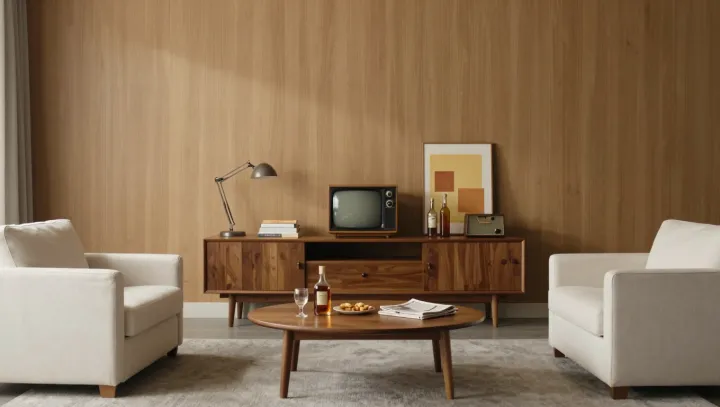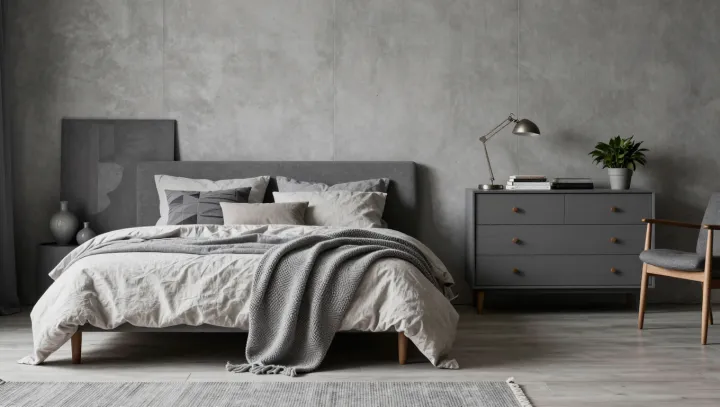
Color on the walls, clothes, and background can flip the same bare face from radiant to dull in seconds. Cool, blue-based tones and warm, yellow-based tones alter the spectrum of light that bounces back onto skin, changing how even and luminous it appears before any product touches the surface.
At the core is reflected light and spectral distribution, two basic concepts from optics. Cool surroundings amplify shorter wavelengths, emphasizing redness, shadows, and small irregularities. Warm surroundings push longer wavelengths, softening contrast and making undertones look more uniform. This is not a filter effect; it is a shift in incident light and diffuse reflection that the eye reads as either glow or fatigue.
Color contrast also plays a role similar to simultaneous contrast in color theory. When skin sits next to cool blues, its natural warmth is exaggerated, which can highlight uneven patches. Against soft, warm neutrals, the same skin can appear smoother because transitions between tones are less abrupt. For anyone thinking about lighting, wardrobe, or interior design, the key variable is not only brightness but the color temperature that silently rewrites how skin is perceived.