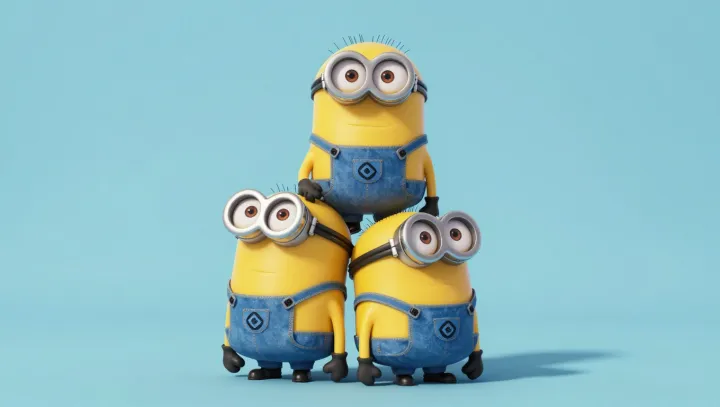
Yellow noise hides something darker. Behind the slapstick, the Minions franchise sketches a disturbingly accurate primer in authoritarian psychology, turning gibberish jokes into a case study in obedience. Their design is childlike, identical, interchangeable; social identity theory would call this a perfectly engineered in‑group, stripped of nuance yet packed with loyalty, where belonging is the only real reward.
More troubling is how easily command slides in. Once a charismatic figure enters the frame, authority flows one way, and the Minions rarely hesitate, a pattern that mirrors Milgram’s obedience experiments and classic conformity studies on normative pressure. They do not weigh ethics. They track status cues, uniforms, lairs, gadgets, and respond with instant compliance, turning comic chaos into a visual model of bureaucratic evil, only painted in bright yellow.
The uncomfortable point is this. Minions are not evil; they are empty channels. Their babble, their round goggles, their eagerness to serve function like propaganda aesthetics, softening viewers to the idea that enthusiasm can substitute for judgment while leaders script the mission. Laughter becomes cover for a blunt lesson: when loyalty outruns conscience, even the cutest helper can be quietly repurposed for domination.