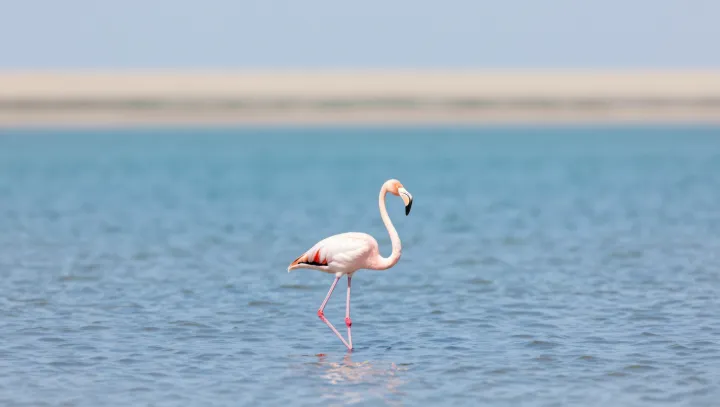
Pink noise, not pink feathers, best explains flamingo loyalty. In colonies that can reach six figures, chaos hides a rigid social grid, where most adults return to the same partner across multiple breeding cycles, field studies show.
Monogamy here is less romance than risk management. Once a pair synchronizes its courtship dance, hormone cycles and nest timing lock in, and breaking that alignment would mean lost eggs, lost energy, and lost breeding chances. Ethologists report that many pairs re-form side by side at traditional display grounds, using vocal signatures and precise facial pattern recognition to pick each other out of the crowd.
Loyalty also functions as a social hedge. Stable pairs sit closer to the colony core, where chicks face fewer predators and less thermal stress; unpaired birds and serial switchers are pushed to the margins. Neuroendocrine circuits built around oxytocin-like peptides reinforce these bonds, so that aggression is directed outward, toward rivals, rather than inward, at the partner.
The surprise is how little flamingos exploit choice. Sexual selection still operates, but long-term pair bonds convert status into joint capital: two experienced parents guard, brood and forage in tighter coordination, raising chick survival probabilities. In a colony that looks like pure abundance, the smart move is not to trade up, but to hold fast.