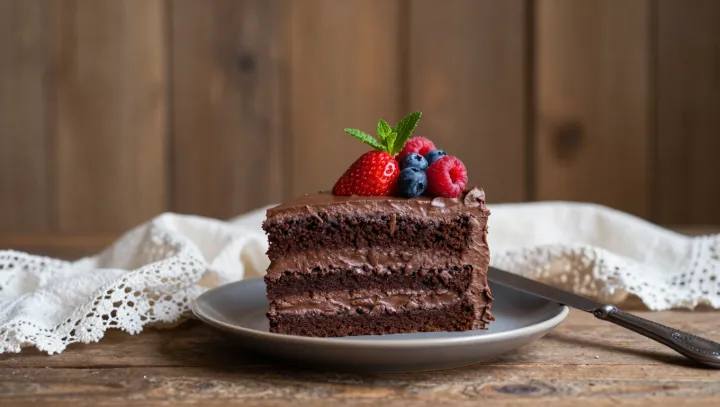
Ethylene cheats dessert expectations. The same gas that turns hard, tart strawberries into soft, fragrant fruit can quietly make a chocolate strawberry cake taste flatter unless salt joins the recipe.
The oddity starts on the plant, not on the plate. Ethylene, a simple hydrocarbon hormone, accelerates cell wall breakdown and increases simple sugar concentration in ripening fruit, which seems like a guaranteed sweetness win. Yet high local ethylene exposure near stored fruit and batter does something less friendly to human perception, because taste receptor cells are not passive sensors; they are biochemistry under stress.
The sharper claim is this: ethylene can bias how your tongue weighs sugar against bitterness. Research on epithelial ion channels and G protein–coupled receptors suggests that reactive small molecules, including ethylene and related oxidative by‑products, can modulate receptor conformation and downstream signal transduction. That means sweet receptors fire a little less cleanly, while bitter and astringent inputs from cocoa polyphenols and strawberry acids keep their edge, so the cake feels darker, thinner, oddly muted.
Salt then acts less like a flavor extra and more like a circuit reset. Sodium ions shift membrane potentials on taste cells, recruit ENaC channels, and trigger cross‑modal suppression of bitterness, which changes the signal‑to‑noise ratio in favor of sucrose and fructose. With a modest pinch of salt, the ethylene‑skewed balance tilts back; chocolate seems rounder, strawberry notes seem brighter, and the original promise of ripe fruit finally reaches the palate.