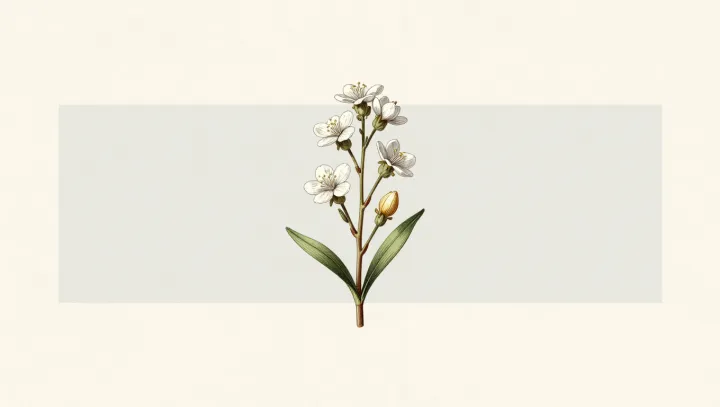
Daffodils look harmless. They are not. Behind the bright cups and tidy leaves sits a chemical arsenal that punishes curiosity in children, pets and even distracted adults in the kitchen.
Most underestimated is the bulb, which concentrates the alkaloid lycorine and related compounds that trigger vomiting, abdominal pain and diarrhea when swallowed, while in higher doses they can disrupt cardiac conduction and blood pressure regulation through direct effects on ion channels and the autonomic nervous system. Mistaken for onions or leeks, bulbs have repeatedly landed people in emergency care after a single mixed-up soup or stir fry.
Equally misread is the rest of the plant. Leaves, stems and flowers all contain lycorine and needle-like calcium oxalate crystals that irritate oral mucosa and the gastrointestinal tract, so even a small nibble by a cat or dog can bring drooling, retching and lethargy, and sap on the skin may provoke contact dermatitis in sensitive gardeners through a combination of mechanical microtrauma and inflammatory mediator release.
Public warnings often lag behind the marketing of spring bouquets, yet florists report recurring cases of so-called vase poisoning in which water that held daffodils contaminates other cut flowers, and that tainted water or the stems placed in it later cause nausea in people who drink from the same container, while floriculture workers rely on gloves and strict hygiene protocols that home gardeners rarely copy.