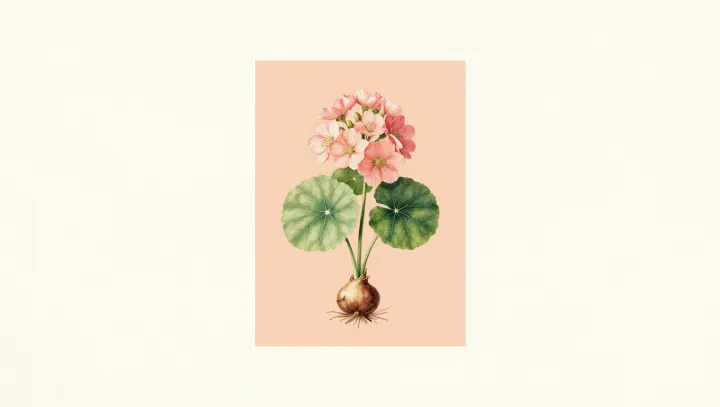
Those fuzzy, scented geranium leaves are not decoration; they are survival hardware tuned for neglect. Born in scrubby, water-starved habitats, these plants turned scarcity into design, building a leaf that behaves more like a slow, guarded reservoir than a flimsy solar panel begging for constant refills.
At the heart of that edge is microclimate control on a single leaf. Dense trichomes trap a thin layer of still air, lowering leaf boundary-layer conductance and slowing transpiration, so water does not flee the tissue at every hot gust. Beneath that hair forest, sun exposure is softened, leaf temperature drops a little, and the cell water potential stays just high enough to keep photosynthesis running when pampered bedding plants have already wilted flat in the same pot.
Equally underestimated is the scent that rises when a leaf is brushed. The aroma comes from essential oil glands embedded in the epidermis, biochemical factories that package volatile terpenes. Those oils can deter herbivores and some microbes, but they also signal a metabolism wired for osmotic adjustment, where compatible solutes help cells retain water and maintain turgor under low soil moisture. Paired with tight stomatal regulation on the leaf underside, this chemistry lets geraniums keep carbon dioxide trickling in while keeping stomatal apertures narrow, a compromise many thirstier ornamentals fail to manage in a cramped container.
What looks like a quaint balcony staple is therefore an efficient drought algorithm in plant form, pre-adapted for shallow soil, rapid drainage and irregular watering that defeat more lush species.