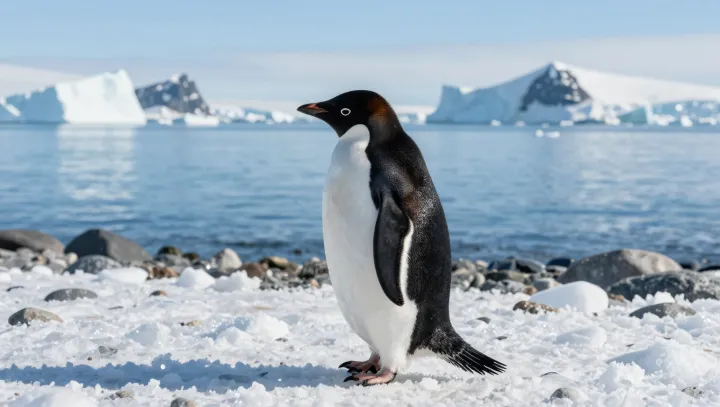
Bare ice underfoot is not a death sentence for penguin feet; it is a controlled experiment in heat economics. At the core of that experiment sits a countercurrent heat exchange system, in which arteries carrying warm blood from the body run in tight contact with veins returning cold blood from the feet. Warmth is transferred back into the core before it can leak away into the ice, so the blood that actually reaches the toes is cooled and carries less energy to lose.
More radical than the plumbing is the strategy: penguins let their feet run cold on purpose. By keeping foot temperature only a little above the freezing point of their body fluids, they shrink the thermal gradient between tissue and ice, which sharply cuts conductive heat loss. Smooth, scaled skin and a layer of dense connective tissue further restrict heat transfer, while microvascular control adjusts vasoconstriction and vasodilation so that just enough oxygenated blood reaches cells to prevent frostbite without wasting heat.
The real surprise is how dynamic this system is. When a penguin walks or needs quick muscle work, blood flow spikes and foot temperature rises; when it stands still on ice for long periods, perfusion drops again, a living version of smart insulation guided by autonomic nervous control. Add the option to rock back on their heels or tail to reduce contact area, and those apparently vulnerable bare feet become one of the bird world’s most efficient thermal devices.