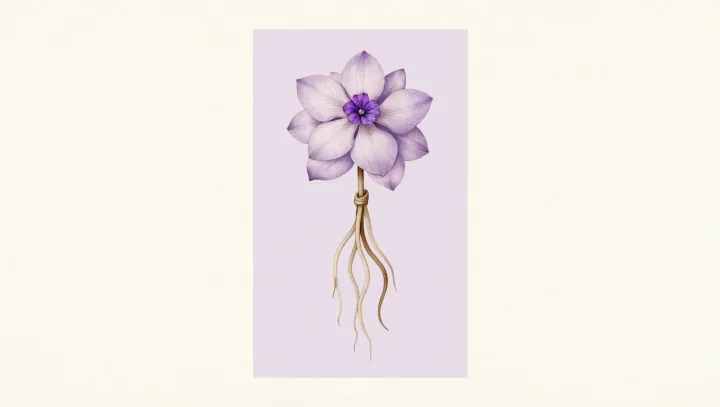
Fragility, in science, can be deceptive. A wild violet flattened on paper, its stem snapped, looks like waste. Yet that pressed remnant, catalogued as a herbarium specimen, now carries more evidentiary weight than a dozen phone photos of the same patch of ground.
The upgrade happens the moment the plant hits archival paper. Under controlled humidity and acid‑free backing, its epidermis, venation and reproductive organs hold their form, locking in traits that taxonomists describe as morphology and phenology. Those structures, frozen at a precise place and collection event, let researchers later test hypotheses about shifting flowering times, range contractions and even atmospheric pollution, by measuring stomata density or pigment residues that no early camera could resolve reliably.
The real surprise is durability. Photographic prints fade. File formats break. Servers fail. Yet herbarium sheets, protected from light and insects, can persist for spans that outlive generations of imaging technology, keeping DNA fragments stable enough for modern sequencing and allowing re‑identification when plant taxonomy changes. What began as a crushed violet underfoot becomes, once mounted and indexed, a data point in a global comparative archive of changing flora, still speaking when many digital traces have gone silent.