Why a restless nebula barely seems to change

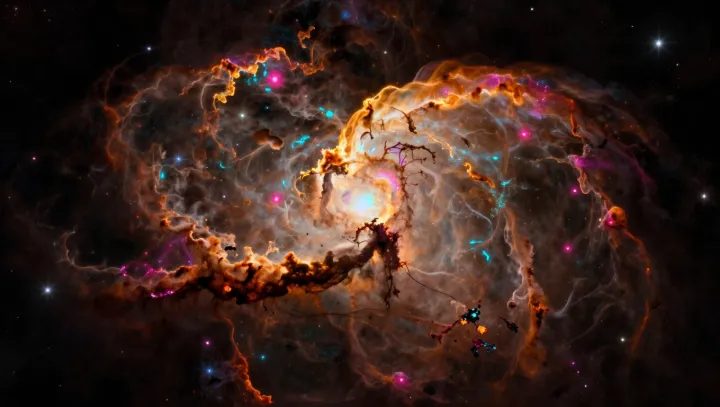
A nebula looks frozen because gravity, pressure, and slow internal speeds lock its gas into a long‑lived, quasi‑stable pattern despite constant motion.

A nebula looks frozen because gravity, pressure, and slow internal speeds lock its gas into a long‑lived, quasi‑stable pattern despite constant motion.

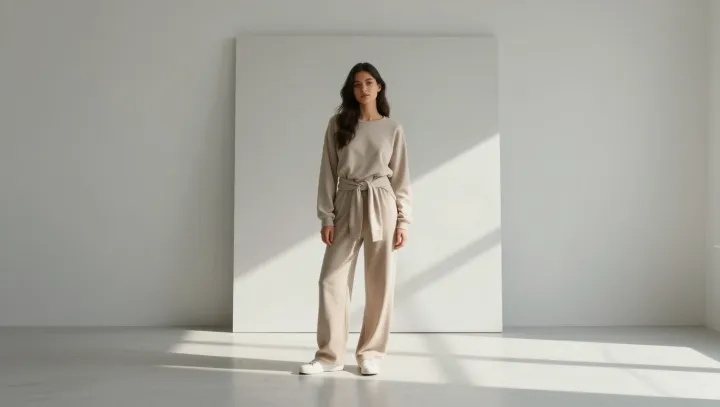
A head‑to‑toe monochrome outfit and clean vertical lines can make a woman appear taller in flat shoes, especially against a snowy urban backdrop.
2026-07-21

Hard diagonal window light compresses tonal values, boosts edge contrast and directional shadows, making minimalist beige outfits appear more sculpted and graphic on camera than to the naked eye.
2026-07-16

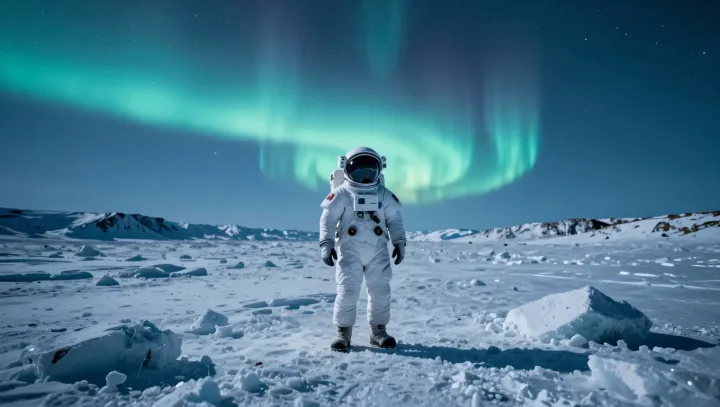
Auroras above a frozen alien plain would expose invisible magnetic fields, showing how they redirect stellar charged particles and trace the structure of the local space environment.
2026-07-23

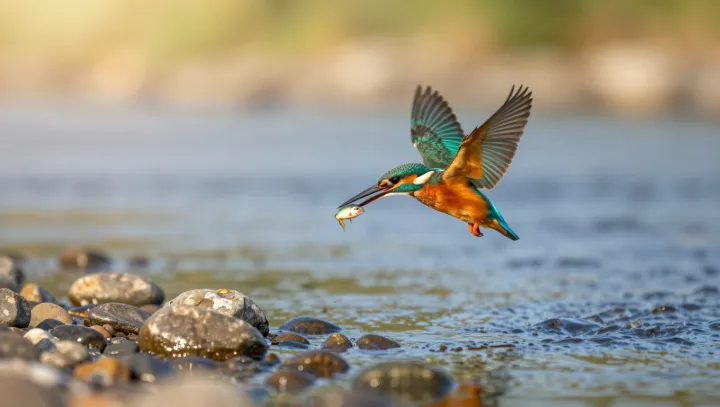
The kingfisher’s splash‑free dive comes from a drag‑cutting beak profile, pressure‑friendly head shape and feather control that pre‑aligns airflow and water flow.
2026-07-16

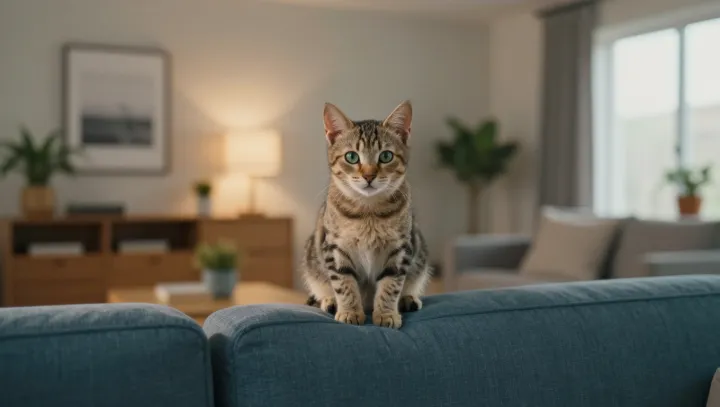
Watching a calm kitten can rapidly lower heart rate and cortisol through oxytocin release, vagal activation, and visual-attention shifts that quiet the stress system.
2026-07-20

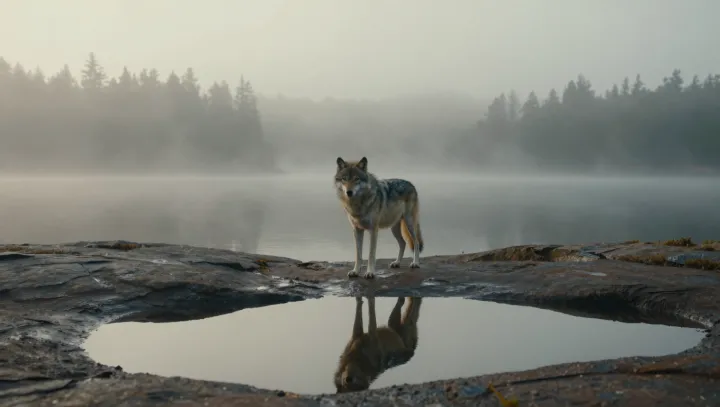
A high-speed predator subverts expectations, using dawn fog, still water, and optical physics to ambush prey while reducing its own risk of detection.
2026-07-24

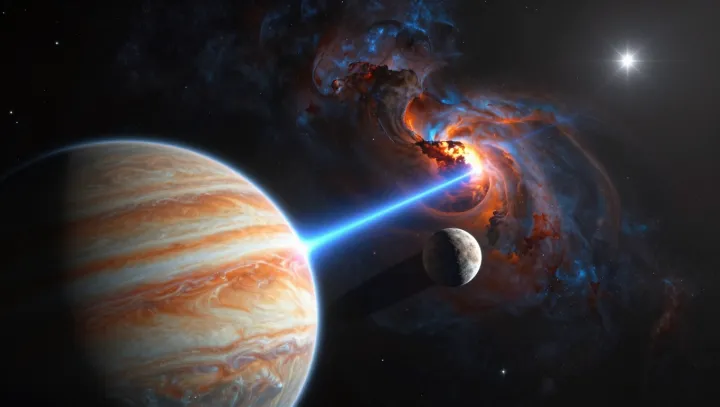
A narrow relativistic jet from a black hole can outshine galaxies because it channels energy into a focused beam, lighting up gas in a nebula and sculpting visible filaments.
2026-07-24

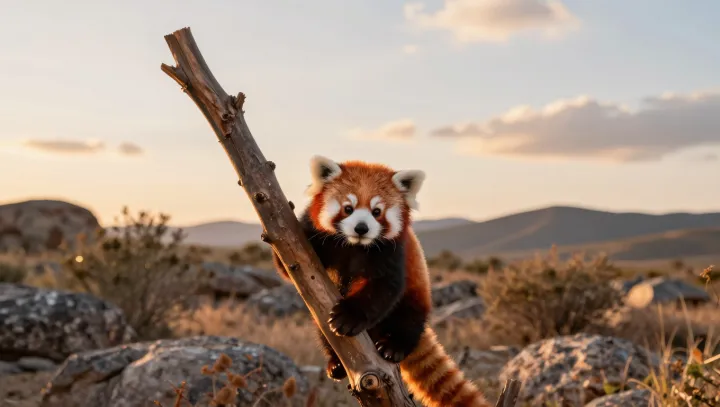
Red pandas use a uniquely rotating ankle, specialized tendons and claws to descend trees headfirst and balance on narrow, tilted branches with precise control.
2026-07-13

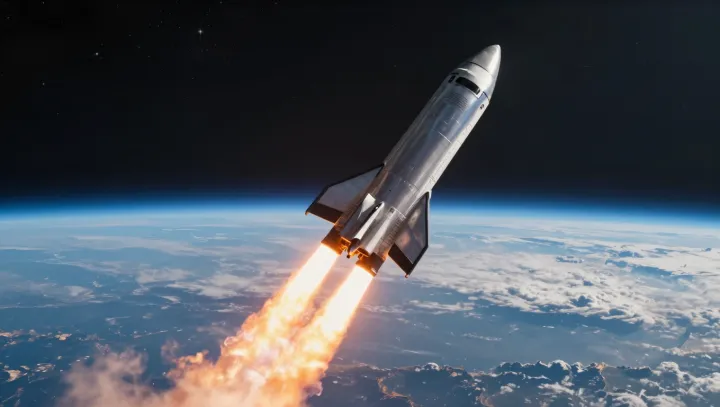
A rocket accelerates in vacuum by ejecting high-speed exhaust; momentum conservation and Newton’s third law explain why no external medium is required.
2026-07-13

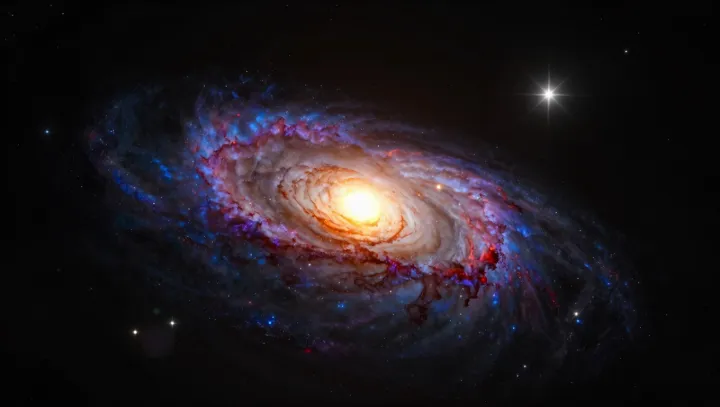
A dense spiral galaxy packs Sun-like stars only a few light-years apart, yet its spiral arms crawl through space, needing hundreds of millions of years for one slow turn.
2026-07-16